
Rubio reportedly objected to Nvidia CEO Jensen Huang's reinstatement
Secretary of State Marco Rubio has privately voiced concerns about Jensen Huang returning to lead the chipmaker, despite warnings to Trump administration officials about a security risk, according to CBS News.
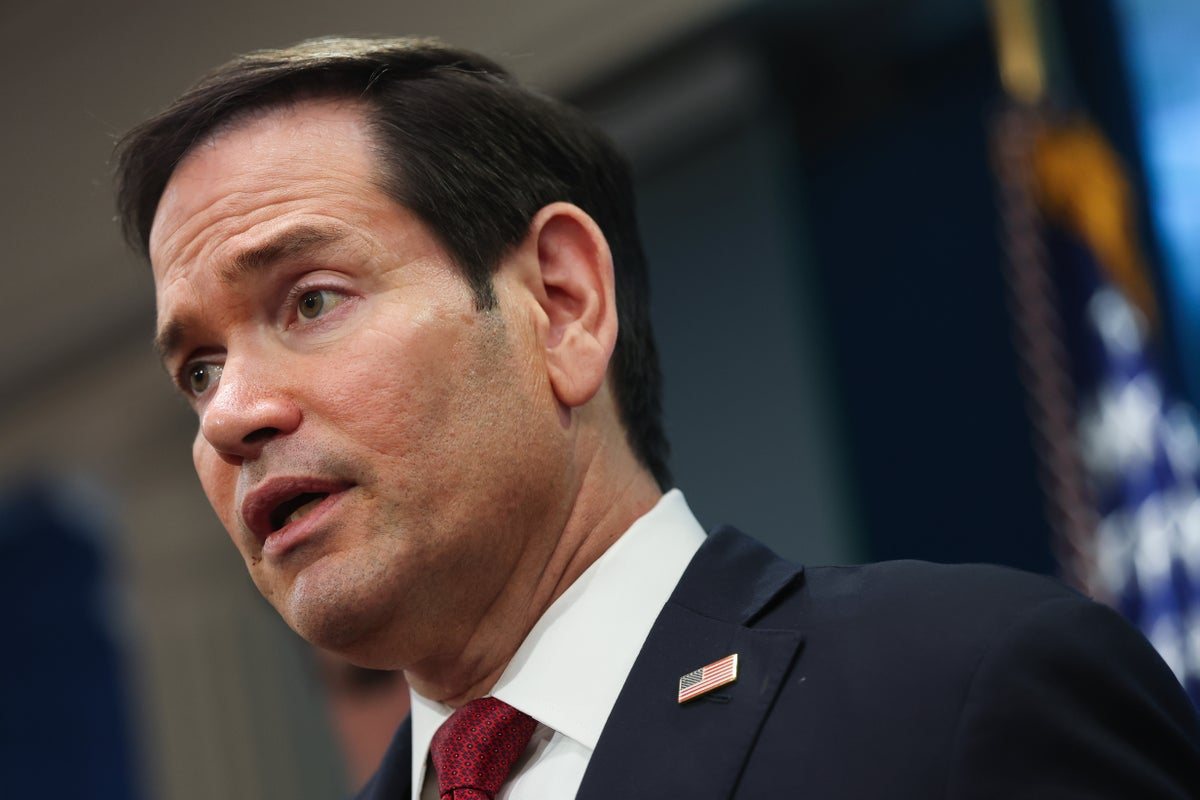
Secretary of State Marco Rubio has reportedly expressed private concerns about the return of Jensen Huang to a senior role at Nvidia, the American chipmaker, according to a report by CBS News. The reported objections are notable because they reach into the heart of the Trump administration, where Rubio is one of the most senior foreign policy officials, and because they concern the head of a company whose semiconductors sit at the centre of the global race in artificial intelligence.
The central claim of the report is that Rubio was angry after Huang was reinstated, despite warnings that had been raised with Trump administration officials about a security risk tied to him. The source material does not set out the full details of that risk, and it does not specify how the warnings were communicated or who received them. What the report does establish is that the concerns were raised internally and that Rubio's displeasure was expressed in private rather than in public statements.
The reporting places the episode within a broader debate over how Washington should treat companies whose products are considered strategically sensitive. Nvidia's processors are used to train and run advanced artificial intelligence systems, and that technological importance is why decisions about its leadership draw attention beyond the boardroom. When a chipmaker of this significance changes or restores its top executive, questions about governance can quickly become questions about national security and trade policy.
The account also points to a sequence of internal events in which warnings reached the administration before the reinstatement took effect. According to the report, those warnings were not heeded in the way Rubio had wanted, and his frustration followed. The source material does not give a date for the reinstatement, nor does it describe the specific steps officials considered or rejected in the lead-up to it, so the chronology available remains limited to the order of warning, reinstatement and reported anger.
The report does not indicate that any formal action has been taken against Huang or Nvidia, and it does not describe an official government position on his return. Nor does it provide a response from Huang, Nvidia, or the State Department on the reported concerns. Until those parties speak on the record, the account rests on the reporting of CBS News and on the private views it attributes to Rubio.
The episode highlights how closely the leadership of major technology firms is now watched by government officials who see them as strategic assets. For readers following the intersection of business and geopolitics, it underlines that decisions made in boardrooms about who runs a chipmaker can carry consequences that reach into diplomacy and national security debates.
Source: independent.co.uk
6