Novaya Gazeta to Permanently Cease Publication Next Month
One of Russia's best-known independent publications, Novaya Gazeta, has announced it will cease operations next month, citing unbearable pressure from the authorities.
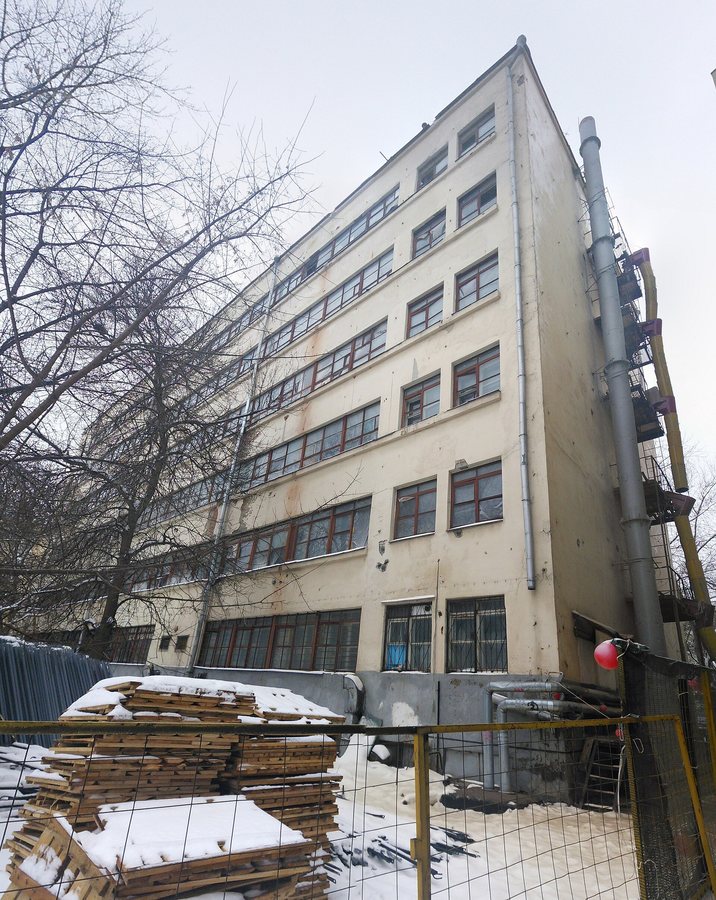
Novaya Gazeta, one of Russia's most well-known independent media outlets, has announced that it will permanently cease publication next month. The publication, whose former editor-in-chief Dmitry Muratov received the Nobel Peace Prize in 2021, cited unbearable pressure from the authorities as the reason.
According to the publication, the editorial office has been deprived of its premises, donation platforms, and the legal right to publish. In the editorial board's view, these measures have jeopardized the very possibility of working in its previous format. Editor-in-chief Sergey Sokolov wrote on the newspaper's website that this is not only about the fate of one publication: "This is not only our story; it is the story of a country and a society that are being systematically suppressed."
Sokolov linked the decision to close to the broader situation in the country. According to him, the pressure affects not only journalists but society as a whole, and the fate of Novaya Gazeta reflects what is happening to independent media in Russia. The fact that a publication that received one of the world's most prestigious awards in the field of peace is being forced to cease operations underscores the scale of the problem for readers and observers of the situation regarding freedom of speech.
Novaya Gazeta is known for its critical journalism and investigations, and its former editor-in-chief Dmitry Muratov became one of the most prominent representatives of the country's independent press. The 2021 Nobel Peace Prize was awarded to him together with the publication's work in defense of freedom of expression and the right to information. Now, with the editorial office announcing its closure, its work will be discontinued in the coming month, and the publication will leave the public space in which it long occupied a prominent place.
The decision comes against the backdrop of restrictions that in recent years have made it difficult for independent media to operate in Russia. Depriving the publication of access to its premises, donation tools, and the right to publish effectively leaves the editorial office unable to work as before. The editorial office did not name specific officials or agencies it believes are responsible for these actions, and its statement does not provide details on each of them. The closure of the publication also means that one of the notable independent voices in the Russian press is becoming fewer.
5