
Merz Calls State Election Result a Disaster but Vows to Stay in Office
German Chancellor Friedrich Merz has described his Christian Democratic Union's performance in two state elections as a disaster after the far-right AfD won in Mecklenburg-Western Pomerania and the leftwing Die Linke headed for victory in Berlin, but he insists he will remain in office.
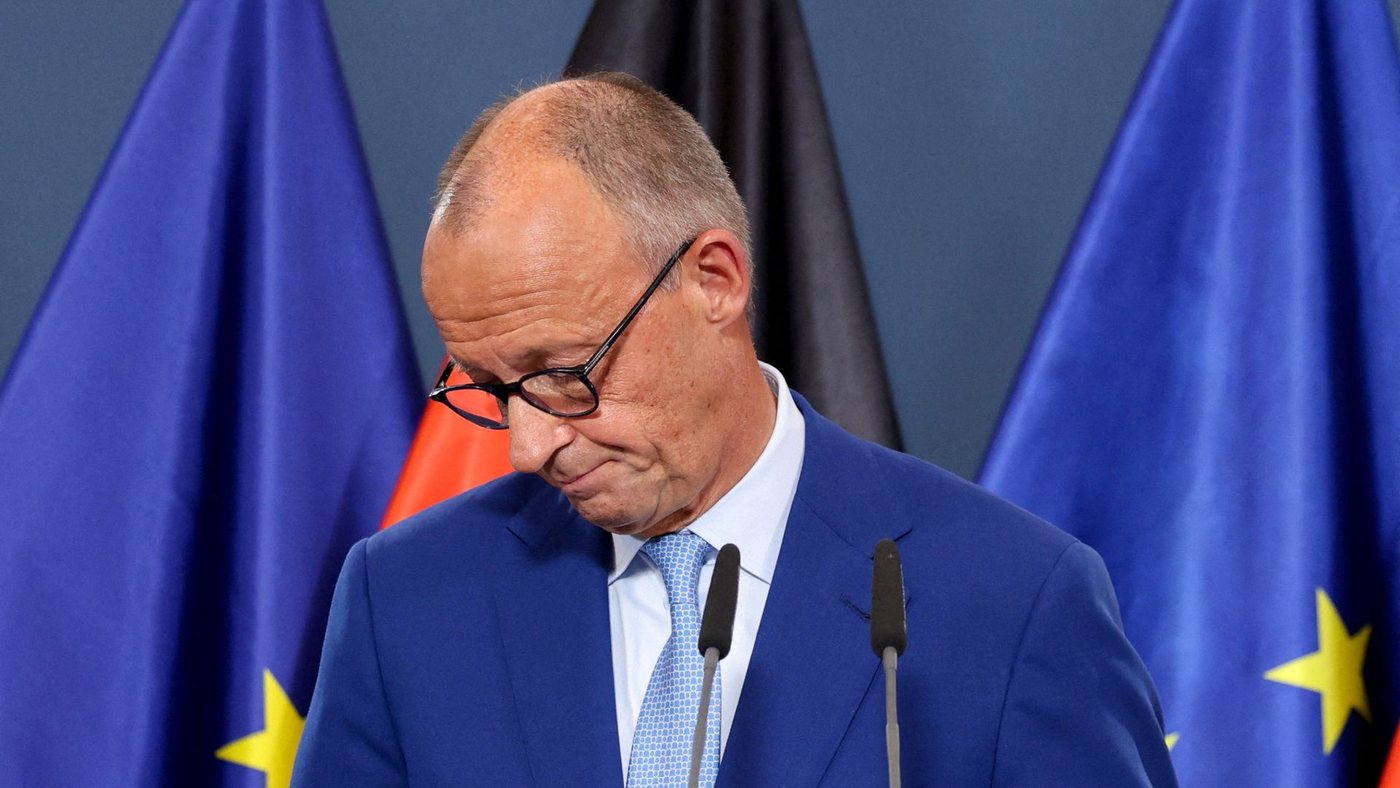
German Chancellor Friedrich Merz has vowed to remain in office despite heavy losses for his Christian Democratic Union in two state elections, one of which he described as a «disaster». The results, which saw the far-right Alternative for Germany win in the coastal state of Mecklenburg-Western Pomerania and the leftwing Die Linke on course for victory in Berlin, have intensified pressure on the chancellor less than a year into his term.
Preliminary figures indicated that the CDU secured just over the 5% threshold needed to enter the state parliament in Mecklenburg-Western Pomerania, marking its worst-ever result in that region. Merz acknowledged the scale of the defeat, calling it a «disaster» as exit polls were released. The outcome in Berlin, where Die Linke was positioned to lead, compounded the conservative party's losses in a single electoral night.
The chancellor, who has faced mounting criticism over his handling of economic reforms, said he would not step aside and would continue to fight for what he termed future-proofing changes to the German economy. His commitment to stay in office signals a determination to weather the political storm, though the dual defeats have raised questions about his authority within the party and his ability to steer Europe's largest economy through a period of sluggish growth and industrial uncertainty.
The far-right AfD's victory in Mecklenburg-Western Pomerania represents a significant breakthrough in a region where the party has steadily gained ground. Its success reflects broader voter dissatisfaction with the mainstream parties and growing support for populist alternatives across Germany. Meanwhile, Die Linke's strong showing in Berlin underscores a parallel shift to the left in the capital, creating a fragmented political landscape that could complicate coalition-building at both state and federal levels.
Merz's CDU has seen its poll ratings decline amid internal divisions and public frustration over the pace of economic modernisation. The state elections were widely viewed as a midterm test of the chancellor's leadership, and the results are likely to trigger renewed debate within the CDU about its strategic direction. Some party figures may now question whether Merz is the right person to lead them into the next federal election.
Despite the setbacks, Merz has insisted he retains the support needed to govern and will press ahead with his agenda. He pointed to the need for structural reforms to boost competitiveness and address long-standing weaknesses in infrastructure and energy policy. However, the electoral losses could embolden critics within his coalition and make it harder to pass contentious legislation.
The results also carry implications for Germany's role in European affairs. A weakened chancellor may struggle to assert leadership on issues such as defence spending, migration policy, and support for Ukraine, at a time when the continent faces multiple security and economic challenges. International partners will be watching closely to see whether Merz can stabilise his domestic position or whether the political turbulence will deepen.
For now, the chancellor appears determined to stay the course. His decision to remain in office sets up a period of intense political manoeuvring, with the CDU facing difficult questions about how to win back voters who have drifted to both the far right and the left. The coming months will test whether Merz can translate his resolve into tangible results and restore confidence in his leadership.