
Germany Boosts Raw Materials Fund to €1.5 Billion to Reduce China Dependence
The German government has increased its raw materials fund to €1.5 billion to finance mining projects abroad, aiming to secure critical resources and reduce reliance on China.
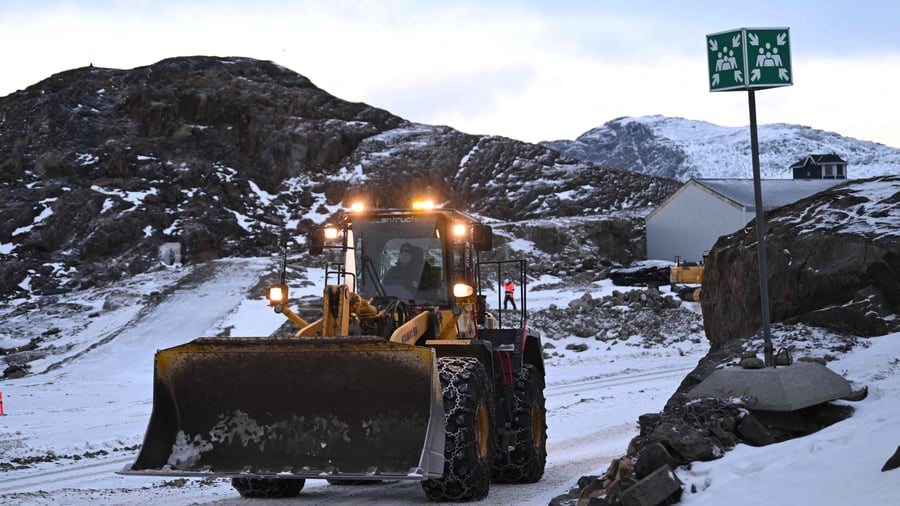
The German government has significantly expanded its raw materials fund, increasing its volume to €1.5 billion in a strategic push to secure access to critical minerals and reduce dependence on China. The fund, which had previously lacked sufficient capital, is now being used to finance mining projects in Canada and Australia, with potential new ventures in Greenland under consideration.
Berlin's move comes amid growing concerns over supply chain vulnerabilities and the concentration of rare earth and mineral processing in China. The fund is designed to support German companies in acquiring stakes in foreign mining operations, ensuring a stable supply of materials essential for industries such as electronics, automotive manufacturing, and renewable energy technologies.
According to government sources, the fund has already been deployed in two projects: a lithium mining operation in Canada and a rare earths project in Australia. Both are seen as critical to diversifying sources away from China, which currently dominates global processing of many key minerals. Officials have indicated that additional projects could be added soon, including potential investments in Greenland, which holds significant untapped mineral reserves.
The expansion of the raw materials fund is part of a broader industrial policy strategy by the government of Chancellor Friedrich Merz to strengthen Germany's economic resilience. The initiative aligns with efforts to secure long-term access to resources needed for the country's transition to green energy and digital technologies. The fund is managed by the state-owned development bank KfW, which evaluates projects based on their strategic importance and feasibility.
Industry experts have welcomed the move but caution that the fund's size remains modest compared to the scale of global competition. China has long invested heavily in mining projects worldwide, particularly in Africa and Latin America, locking in supplies of cobalt, lithium, and rare earths. Germany's fund, while increased, still faces challenges in matching the financial firepower of state-backed Chinese enterprises.
The announcement also comes against the backdrop of a major potential defense deal between Germany and Canada. Canada is considering the purchase of 12 submarines worth up to €30 billion, with German shipbuilder Thyssenkrupp Marine Systems (TKMS) competing for the contract. A government representative described the potential deal as a "large strategic undertaking" that could bind Canada to Germany for decades, highlighting the deepening industrial and security ties between the two countries.
The submarine deal, if awarded to TKMS, would represent a significant boost for Germany's defense industry and further strengthen bilateral relations. The German government has invested considerable political capital in supporting TKMS's bid, which faces competition from South Korea's Hanwha Ocean. Canadian Prime Minister Mark Carney is expected to announce a decision soon.
Beyond raw materials and defense, Germany is also pushing for a stronger European role within NATO. At the upcoming NATO summit in Ankara, Chancellor Merz hopes to foster a new "Spirit of Ankara" that emphasizes a more European NATO to ensure the alliance remains transatlantic. The summit is also expected to address continued support for Ukraine, with allies potentially committing €70 billion annually for 2026 and 2027.
The raw materials fund expansion thus fits into a larger picture of German industrial and foreign policy aimed at reducing strategic dependencies, securing critical supply chains, and strengthening partnerships with like-minded nations. While the fund's current volume of €1.5 billion is a step forward, officials acknowledge that more investment will be needed to keep pace with global competition and ensure Germany's long-term economic security.