France Imposes Partial Curfews as PM Blames 'Ultra-Left' for Protest Violence
French authorities have announced partial curfews in Paris and other cities after a weekend of protests against declining public services and rising living costs led to 2,400 arrests nationwide. Prime Minister Sébastien Lecornu blamed the extreme left and criminal elements for the disorder, while President Macron condemned 'unbridled violence'.
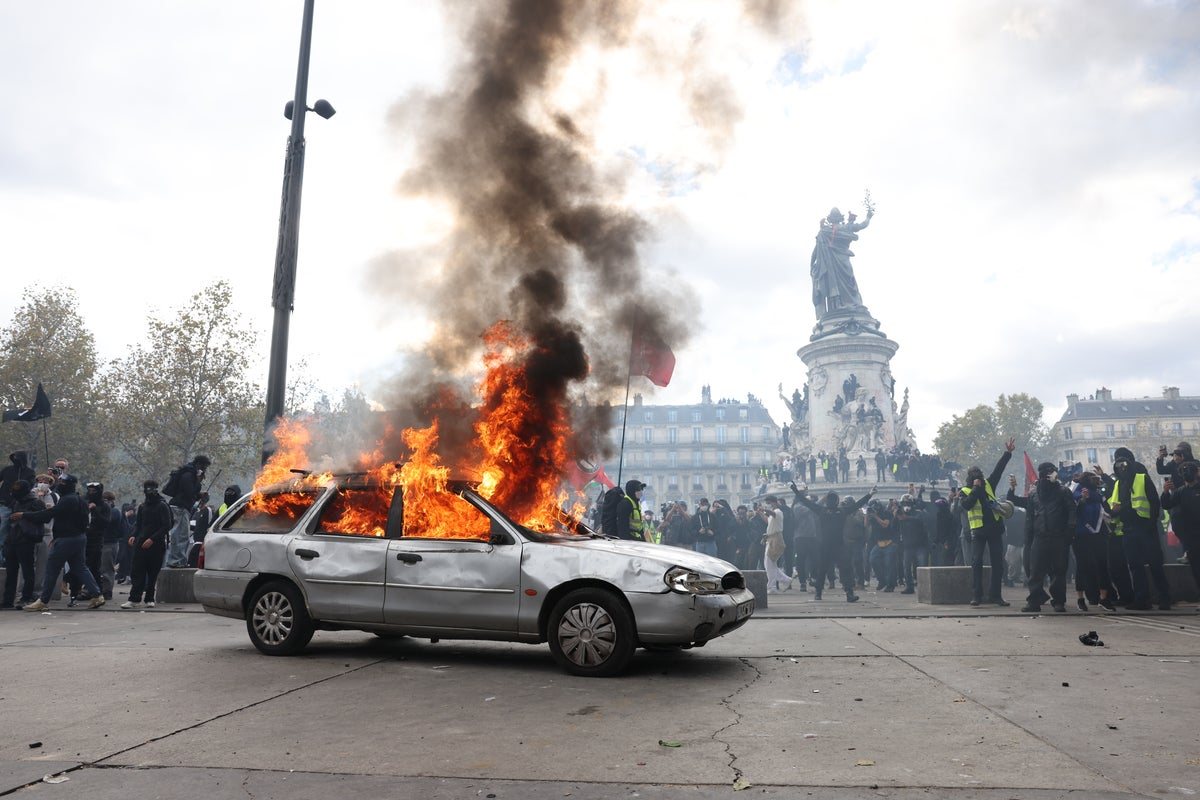
French authorities have announced partial curfews in Paris and other urban areas following a weekend of nationwide protests that led to 2,400 arrests, as the government blamed the extreme left and criminal elements for the disorder. The curfew in the capital will run from 11pm to 6am and reportedly applies to unaccompanied minors and people wearing masks or personal protective equipment.
Prime Minister Sébastien Lecornu said he had asked prefects to implement «a number of partial curfews» in certain «localised» urban areas to stop further unrest. He attributed the violence to «the extreme-left» and some criminal elements, adding that local authorities would provide further details, as in the case of Marseille. President Emmanuel Macron criticised what he called «unbridled violence» after the arrests across France.
The protests, which drew hundreds of thousands of people over the weekend, were driven by declining public services and rising cost-of-living pressures. The scale of the demonstrations and the subsequent arrests have prompted authorities to take exceptional measures, including the curfews, to prevent further disorder. The decision to restrict movement in specific areas reflects the government's concern about the potential for escalation.
The curfew measures are targeted at specific groups and behaviours, with unaccompanied minors and those wearing masks or protective equipment singled out. This suggests authorities are attempting to prevent young people from participating in disturbances and to stop individuals from concealing their identities during protests. The approach mirrors tactics used in previous periods of unrest in France, where localised curfews have been deployed to contain violence while allowing broader public life to continue.
The government's attribution of blame to the «ultra-left» and criminal elements is a political framing that has been contested by opposition figures and protest organisers, who argue that the demonstrations reflect legitimate grievances over public service cuts and the cost of living. The prime minister's statement signals a hardening of the government's stance as it seeks to restore order while managing the political fallout from the unrest.
The unrest comes amid a broader European context of social tension, with Italy also approving an emergency anti-riot order in response to the French protests. The cross-border reaction highlights concerns that the instability could spread or inspire similar actions elsewhere. French authorities have not indicated how long the curfews will remain in place, but the measures are described as temporary and subject to review by local prefects.
The weekend's events have put pressure on the French government to address the underlying causes of the protests while maintaining public order. With 2,400 arrests recorded, the scale of the law enforcement response is significant, and the curfews represent an escalation in the state's efforts to contain the situation. The coming days will be critical in determining whether the measures succeed in preventing further violence or fuel further anger among protesters.
12