Finance dispute dominates COP31 climate talks in Antalya
Negotiators at the COP31 climate summit in Antalya, Turkey, have returned to a familiar fight over who pays for adaptation and climate damage, as developing countries press for money while a proposed electrification target gains backing.
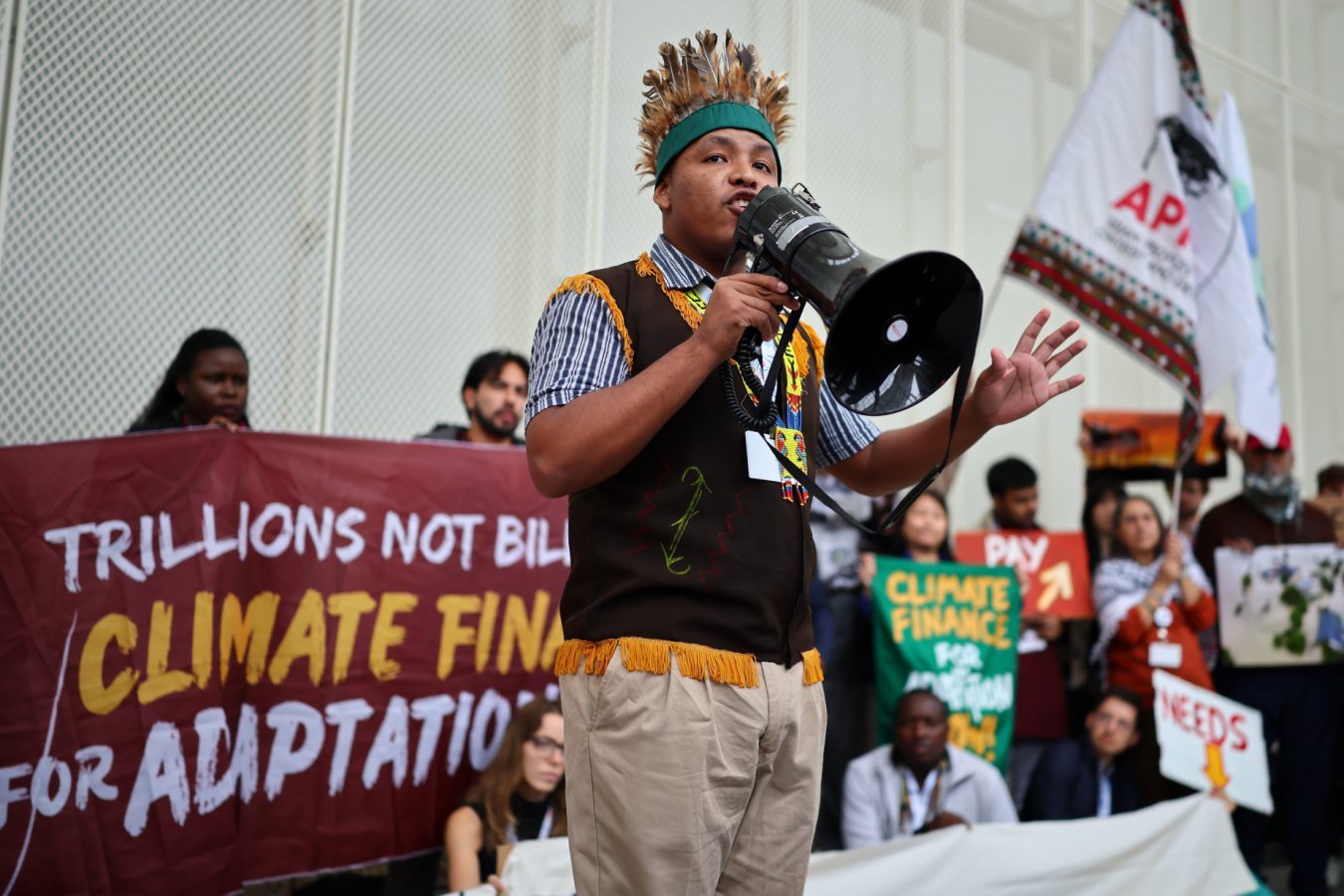
Arguments over finance have once again taken centre stage at the COP31 climate summit in Antalya, Turkey, where negotiations have begun against a backdrop of logistical disruption and a long-running dispute over who should pay for adapting to climate change and for the damage it causes.
The summit opened on 9 November, co-hosted by Turkey and Australia. Delegates faced transport chaos, delayed arrivals and long queues for accreditation badges before talks began. Once the formal process started, negotiators moved relatively smoothly and adopted an official agenda. However, a push by African countries to have a tripling of climate finance added to that agenda failed to make it on.
The hosts have proposed a pledge known as 35x35, which would see electricity account for 35 per cent of final energy use by 2035. Australia, Ethiopia, Germany and Norway have publicly backed the target, while the European Union and the United Kingdom have given it only partial support. Fiji and Pakistan welcomed the ambition but insisted that it must be matched by financial support and actual implementation. Advocates of the shift point to figures suggesting that renewable energy saved around $500 billion in fossil fuel costs last year.
The core of the disagreement, however, remains money. At COP30, countries pledged to triple adaptation finance by 2035. A 2026 gap report from the United Nations Environment Programme estimates that developing countries will need about $305 billion a year by 2035 to adapt. Projected tripled funding would cover only 20 to 29 per cent of those needs.
Contributions to adaptation finance have also been uneven. Denmark and Ireland are cited as making high shares of their contributions, while Italy, Japan and Norway are among those with low shares. Some wealthy governments have moved in the opposite direction: the United Kingdom has cut its planned five-year climate funding by a fifth, and Germany has reduced public climate finance.
The African Group of Negotiators has called for a just transition backed by finance, while the G77 and China have pressed for the finance obligation set out in Article 9.1 of the Paris Agreement to be honoured. Some activists have questioned why military spending continues to rise while climate finance remains constrained.
The hosts are reportedly preparing a cover text that could acknowledge a temporary breach of the 1.5C warming limit. Whether the negotiations can bridge the gap between ambition on electrification and the funding needed to deliver it will be the central test as the summit continues.
Source: newscientist.com
19