AI-generated food photos flood delivery apps as customers complain of misleading menus
Uber Eats, Deliveroo and Just Eat are increasingly featuring AI-generated food images that bear little resemblance to the meals actually delivered, raising concerns about misleading advertising and consumer trust.
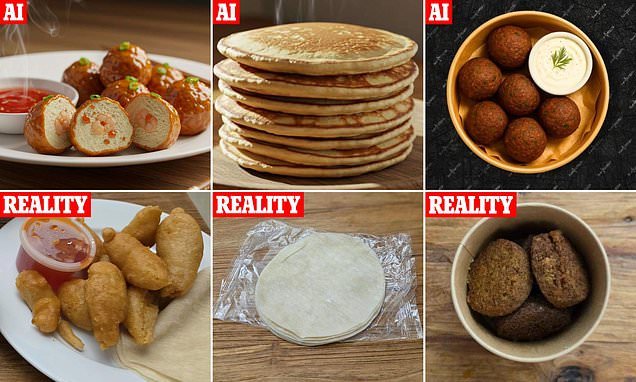
Delivery platforms Uber Eats, Deliveroo and Just Eat are being overwhelmed by AI-generated food photography, with customers reporting that the dishes they receive look nothing like the appetising images on their menus. The trend has sparked concerns that artificial intelligence is being used to create unrealistic promotional pictures, leaving diners disappointed and raising questions about advertising standards in the online food sector.
The issue has become widespread enough that industry observers are now warning about the gap between the polished, algorithmically produced visuals and the reality of what arrives at the doorstep. Restaurants and takeaways, under pressure to make their offerings stand out in crowded apps, are increasingly turning to AI tools that can generate glossy, professional-looking images without the expense of a photoshoot. The result, critics say, is a marketplace where the visual promise and the actual product are drifting further apart.
Food photography has long been a carefully crafted art, with stylists using tricks such as shellac on burgers and mashed potato standing in for ice cream. But AI takes this manipulation to a new level, producing images that are not merely enhanced but entirely synthetic. Unlike traditional retouching, these pictures can depict dishes that do not exist in the kitchen, with unrealistic portion sizes, impossible ingredient arrangements and colours that no real meal would ever produce.
Consumer advocates argue that the practice undermines trust in delivery services, which have become a staple of urban life across Britain. When a customer orders a meal based on an AI-generated image, they are making a decision on false premises. The disappointment that follows is not just about aesthetics; it affects the perception of value for money and the credibility of the entire platform. Some users have taken to social media to share side-by-side comparisons of menu images and delivered food, with the contrast often stark enough to be comical.
The platforms themselves have yet to introduce clear policies on AI-generated imagery. While some marketplaces require sellers to use accurate photos, enforcement is patchy, and the sheer volume of listings makes manual verification impractical. Technology companies have developed detection tools, but these are not yet widely deployed across the food delivery sector. Meanwhile, the commercial incentive to use AI images remains strong: a striking picture can significantly boost click-through rates and orders, particularly for smaller establishments that lack the resources for professional photography.
Regulators are beginning to take notice. In the United Kingdom, advertising rules already prohibit misleading claims, and there is growing debate about whether synthetic food images fall within that remit. The Competition and Markets Authority has previously scrutinised online reviews and fake endorsements, and consumer groups are calling for similar attention to be paid to AI-generated menu photos. Legal experts note that while the technology is new, the principle is old: businesses should not sell a product on the basis of an image that misrepresents it.
For now, the burden falls on consumers to manage their expectations. Regular users of delivery apps have developed a degree of scepticism, learning to read between the lines of overly perfect pictures. But as AI tools become more sophisticated and cheaper, the line between real and synthetic will only blur further. The food delivery industry, which has grown rapidly on the promise of convenience, now faces a new challenge: ensuring that what customers see is what they get.
71