Private Parking Code Gives Drivers New Rights to Challenge Fines
A new mandatory code of practice for private car parks will give motorists in England, Scotland and Wales a five-minute grace period to decide whether to park and ten minutes to leave, while capping maximum charges at £100.
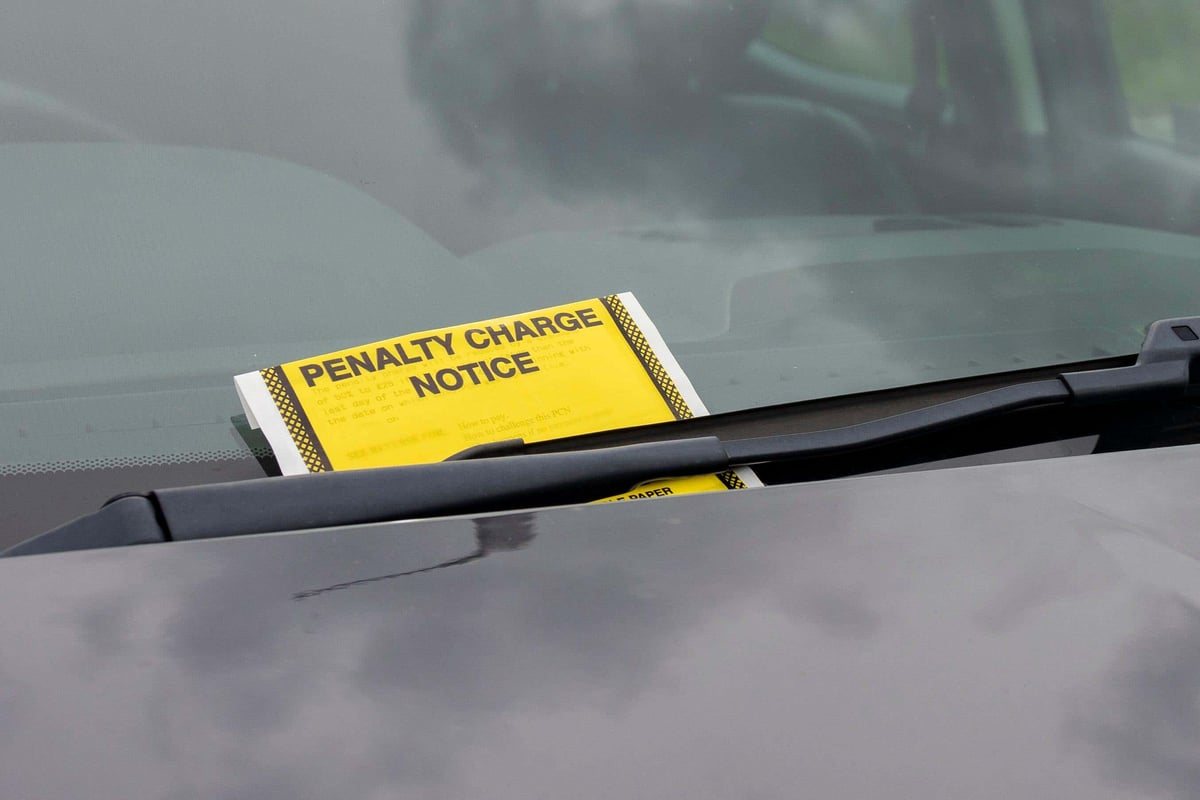
Drivers will gain new rights to challenge unfair private parking charges under a mandatory code of practice that guarantees time to decide whether to park and to leave without penalty. The rules, announced by the prime minister, Andy Burnham, apply to private car parks in England, Scotland and Wales and are intended to end what he described as «rip-off» charges.
Under the code, motorists will get a guaranteed five minutes on arrival to read signs and decide whether to stay. They will also have ten minutes after their paid session ends to leave the car park before a penalty can be issued. Maximum parking charges will be frozen at £100, and drivers will be given clearer rights to dispute unreasonable fines.
The measures form part of a wider series of «everyday fixes» designed to ease the cost of living and secure a fairer deal for consumers. Burnham framed the code as a direct intervention against practices in the private parking industry that have drawn complaints from motorists and consumer groups. The new rules replace a voluntary arrangement with a single official standard that operators will be expected to follow.
The announcement targets a sector that has expanded rapidly as local authorities have scaled back free and affordable parking. Private operators manage many car parks attached to retail parks, hospitals, leisure facilities and residential developments, and penalties issued through automated number-plate recognition have become a common source of disputes. The code aims to standardise signage, appeal processes and charge levels so that drivers face consistent rules wherever they park.
The five-minute decision period addresses a frequent complaint: drivers entering a car park, finding no space or deciding the terms are unclear, and being fined for overstaying a short initial window. The ten-minute departure period is intended to stop penalties being issued to motorists who have paid for their stay but are delayed leaving because of queues at barriers or exits.
Freezing the maximum charge at £100 gives drivers certainty about the upper limit they could face, while the strengthened right to challenge means operators will have to justify penalties through a clearer appeals route. The government has presented the package as a consumer protection measure rather than a restriction on legitimate enforcement, arguing that fair charges remain possible while abusive practices are curbed.
The code applies across England, Scotland and Wales, giving it UK-wide reach on a matter that has previously been handled unevenly by different operators and trade bodies. Its success will depend on enforcement and on how quickly car park operators update their signs, payment systems and appeal procedures to match the new standard.
For drivers, the practical effect is a set of enforceable expectations: time to assess a car park before committing, a buffer to exit after a session, a cap on the maximum charge and a clearer route to dispute a penalty. For the industry, the change signals a shift from self-regulation towards a statutory framework with defined consumer rights.
12