
Former human rights lawyer, 79, sues police over cat seizure
Dr Katherine Theodotou, a 79-year-old former human rights lawyer, is taking legal action after police and RSPCA officers forcibly entered her home to seize her cat, sparking a High Court case over the legality of the raid.
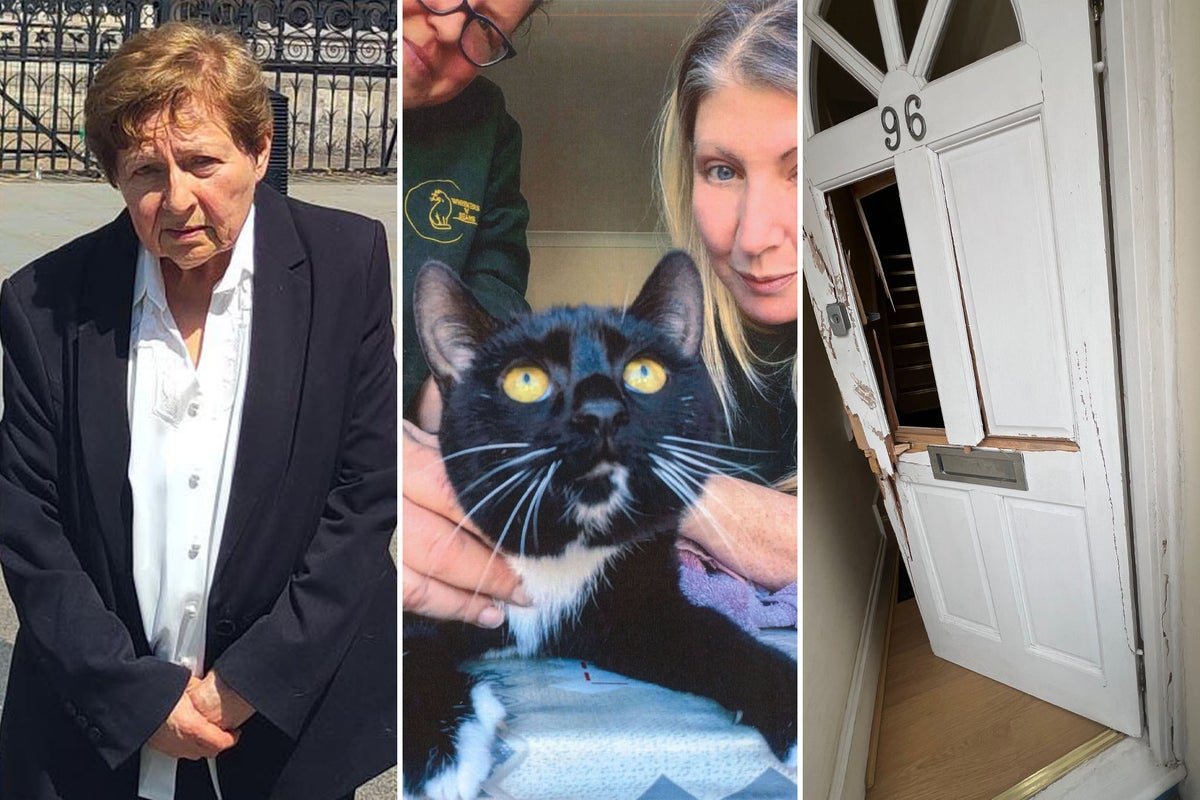
A 79-year-old former human rights lawyer has launched a legal challenge against the police after officers allegedly chopped down her door to seize her cat. Dr Katherine Theodotou, a retired solicitor with a background in human rights law, has taken her case to the High Court in London, arguing that the forced entry into her Islington home was unlawful and disproportionate.
The incident, which has drawn attention to the powers of law enforcement and animal welfare authorities, occurred when police officers accompanied by RSPCA inspectors arrived at Dr Theodotou’s property. According to court documents, the authorities used a battering ram to break down the door before removing the cat, which was taken into RSPCA custody. The exact reasons for the seizure have not been fully detailed in public filings, but the case raises questions about the balance between animal welfare enforcement and the rights of homeowners.
Dr Theodotou, who spent much of her career advocating for civil liberties and legal justice, is now representing herself in the legal proceedings. She argues that the police and the RSPCA acted without proper justification and that the methods used were excessive given her age and the nature of the alleged concern. The case has reached the High Court, where judges will examine whether the warrant under which the entry was conducted was valid and whether the force used was proportionate.
The legal action highlights ongoing debates in the United Kingdom about the powers of animal welfare organisations and the police when executing warrants related to animal cruelty or neglect. Critics of such operations argue that while animal protection is important, the rights of individuals to security in their homes must not be trampled. Supporters of the RSPCA and police maintain that they follow strict legal procedures and that forced entries are only used when there is a clear risk to an animal’s welfare and when other avenues have been exhausted.
Dr Theodotou’s background as a human rights lawyer adds a layer of significance to the case. She is understood to have worked on numerous cases involving civil liberties and legal accountability, and her decision to pursue the matter personally underscores her belief in the importance of challenging what she sees as an abuse of state power. The case has already attracted attention from legal experts and animal welfare advocates alike, with some viewing it as a test of the limits of enforcement powers under the Animal Welfare Act.
The High Court is expected to hear arguments on whether the warrant used to enter Dr Theodotou’s home was lawfully obtained and whether the police and RSPCA acted within their legal remit. A ruling could have implications for future operations, potentially tightening the requirements for obtaining warrants or clarifying the level of force that can be used when entering private property for animal welfare reasons.
For now, Dr Theodotou remains without her cat, which is being held by the RSPCA pending the outcome of the legal proceedings. She has expressed distress over the incident, describing it as a traumatic invasion of her home and her rights. The case continues to develop, with both sides preparing to present their arguments before the court.
87