
Family of Putney Pusher Suspect Accuse Met Police of Rewriting History
The family of Nicholas Brandram, the suspect in the 2017 Putney Bridge jogger assault who later took his own life, have accused the Metropolitan Police of attempting to rewrite history over its handling of the case.
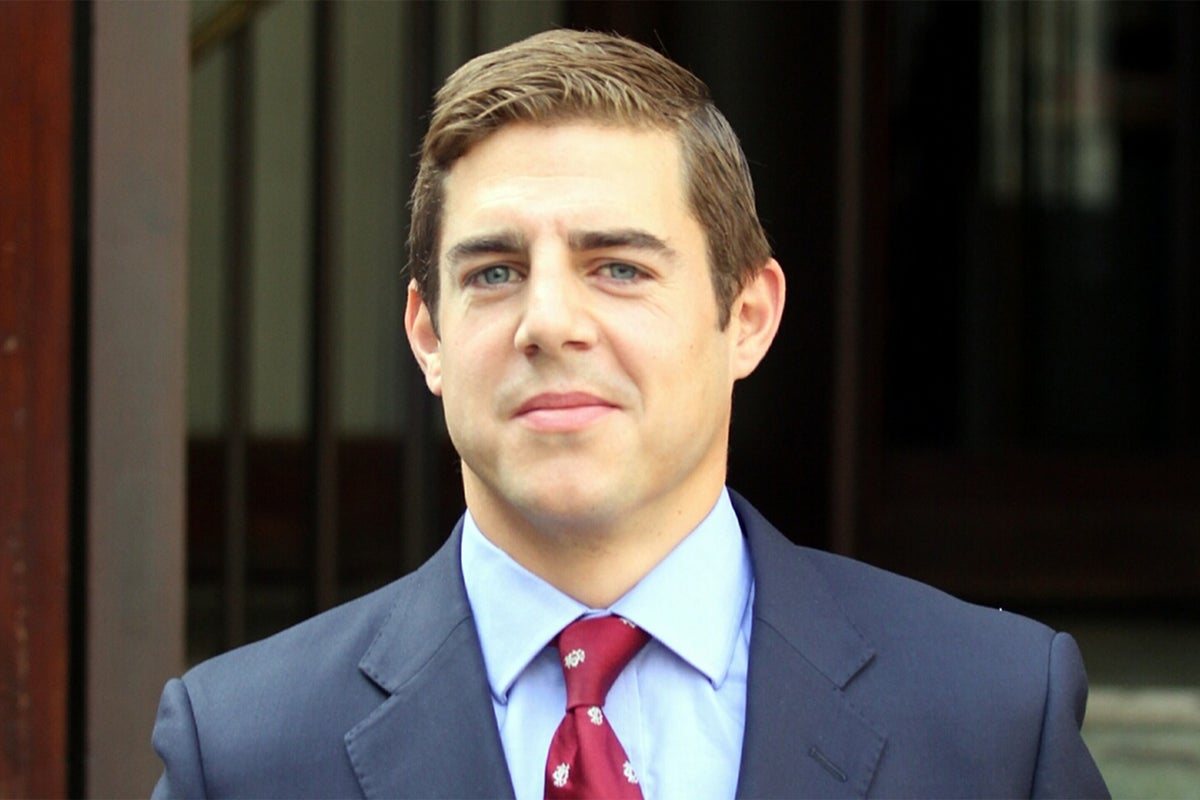
The family of the man suspected of pushing a woman into the path of a bus on Putney Bridge have accused the Metropolitan Police of attempting to rewrite history, deepening a long-running dispute over how the force handled the investigation.
Nicholas Brandram, a 41-year-old City worker, was identified by police as the jogger who knocked a woman into the road in south-west London in 2017. He was never charged and took his own life the following year. His family have now issued fresh criticism of the Met, stating: «Either Nick was lied to while he was alive, or the public is being lied to now.»
The case dates back to May 2017, when a woman was pushed from behind as she walked across Putney Bridge during the morning rush hour. She fell into the path of an oncoming bus, which swerved and narrowly avoided hitting her. The incident was captured on CCTV and the footage was widely shared, prompting a public appeal to identify the jogger.
Brandram was arrested in August 2017 on suspicion of causing grievous bodily harm but was released under investigation. He was never charged. In 2018, he was found dead at his home. An inquest later heard that he had been diagnosed with anxiety and depression and had struggled with the intense media scrutiny that followed his identification.
The family's statement suggests a fundamental disagreement over what Brandram was told by police during the investigation. The accusation that the Met is now «rewriting history» implies that the force's public account of the case differs from what the family understood at the time.
The Metropolitan Police have previously faced questions over their handling of the case, including the decision to release Brandram's name and image to the public before any charge was brought. The force has not yet responded publicly to the family's latest remarks.
The Putney Bridge incident attracted international attention, with the CCTV footage viewed millions of times online. The woman suffered minor injuries but was left shaken. The case became a focal point for debates about trial by media, the treatment of suspects before charge, and the impact of viral online campaigns on individuals and their families.
Brandram's family have consistently maintained that he was not the man in the footage and that the police investigation was flawed. Their latest intervention suggests they believe the official narrative is being reshaped to protect the force's reputation.
The Independent has approached the Metropolitan Police for comment. The force has previously said it followed correct procedures in the investigation. The family's accusation adds to existing concerns about how police communicate with suspects and their relatives during high-profile investigations.
The case also raises broader questions about the balance between public appeals for information and the rights of individuals who have not been charged. Legal experts have noted that releasing a suspect's identity before charge can irreparably damage their reputation and privacy, even if they are later cleared.
For the family, the dispute is deeply personal. They have described Brandram as a loving son and brother who was hounded by media attention after being named as a suspect. Their statement that the public may be «lied to now» suggests they believe the Met's current position is inconsistent with what they were told during the investigation.
The Metropolitan Police have not commented on the specific allegation of rewriting history. The force has previously stated that it takes its responsibilities to suspects and their families seriously and that all investigations are conducted with due regard to the law and guidance.
The Putney Bridge case remains one of the most high-profile unsolved incidents of its kind in recent years. No one has been charged in connection with the assault, and the investigation remains open. The family's intervention is likely to intensify scrutiny of the Met's conduct and renew calls for greater transparency in how police handle suspects who are never charged.