
Trump suffers another legal defeat in appeals court over voter list dispute
A federal appeals court has ruled against the Trump administration's attempt to obtain a national voter list, upholding concerns from state officials that the request could lead to abuse and widespread confusion.
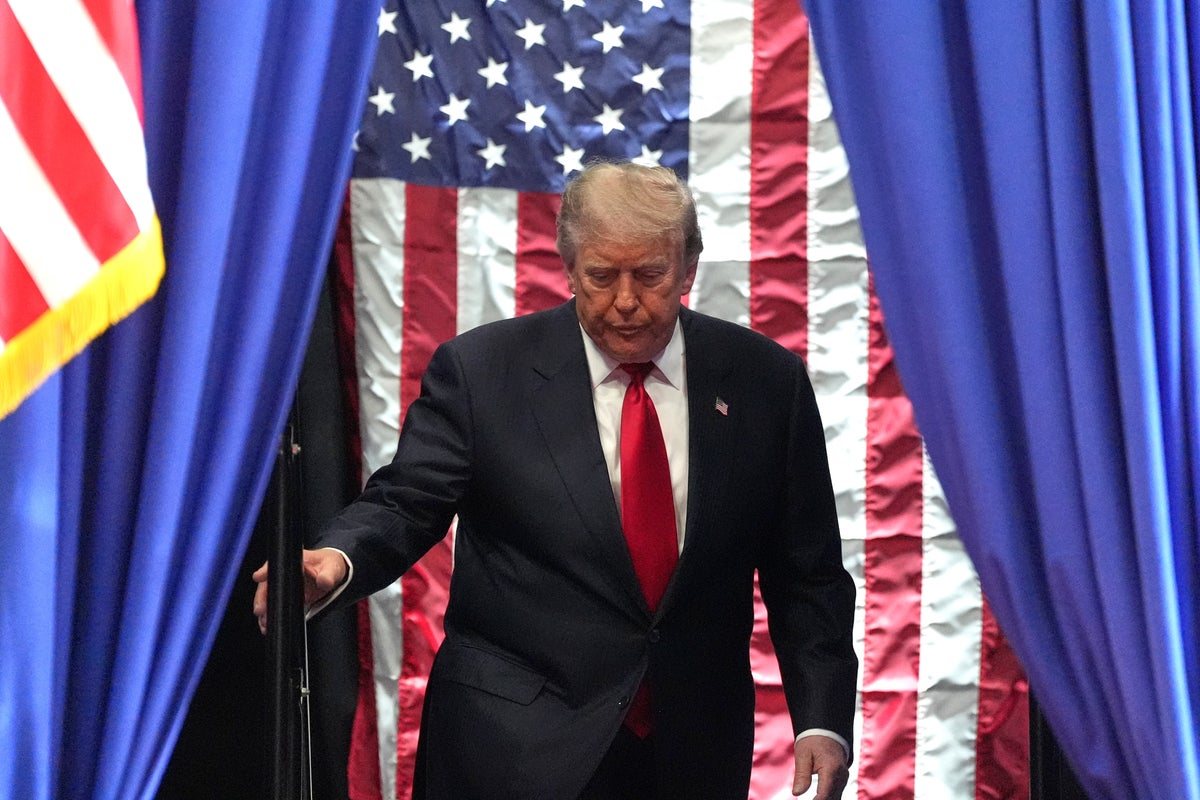
A federal appeals court has handed another legal setback to former President Donald Trump in his long-running effort to obtain a centralised voter list, rejecting arguments from his administration that the data should be handed over. The ruling marks the latest defeat in a series of court battles over the scope of federal access to state voter rolls, a dispute that has dragged on since the early days of the Trump presidency.
The court sided with state election officials who had resisted the request, warning that the collection of detailed voter information could be misused and create significant administrative chaos. The judges found that the administration did not have sufficient legal grounds to demand the data, effectively blocking the attempt to compile a national database of voter information.
The case stems from the creation of the Presidential Advisory Commission on Election Integrity, established by executive order in May 2017. The commission, chaired by then-Vice President Mike Pence and led day-to-day by Kansas Secretary of State Kris Kobach, was tasked with investigating allegations of voter fraud. It immediately faced widespread opposition from states across the country, many of which refused to comply with a request for personal voter data, citing privacy laws and concerns about the commission's true purpose.
State election officials, from both Republican and Democratic administrations, argued that the request was overly broad and risked undermining public confidence in the electoral system. Some noted that the commission's focus on unsubstantiated claims of widespread fraud would only fuel distrust. The additional source material highlighted that officials worried the measures were prone to abuse and could lead to widespread chaos.
The commission was eventually disbanded in January 2018 without issuing a final report, after multiple lawsuits and a lack of cooperation from states. However, legal battles over the records and the commission's activities have continued. The appeals court decision is the most recent in a series of judicial rulings that have consistently limited the government's ability to collect and centralise voter data without clear statutory authority.
Voting rights advocates have welcomed the decision, arguing that it protects the integrity of state-run election systems and prevents federal overreach. They point out that the decentralised nature of US elections, with each state managing its own voter rolls, is a deliberate safeguard against manipulation. The court's ruling reinforces that principle, making it harder for any future administration to demand sweeping access to voter information.
The Trump campaign and allied groups have framed the legal fight as necessary to combat what they claim is widespread voter fraud, despite numerous studies and audits showing that such fraud is exceedingly rare. The issue has remained a central theme in Trump's political messaging and continues to influence election legislation in several states.
This latest loss adds to a string of court defeats for the former president and his allies on voting-related matters. While the specific case concerns a data request from a now-defunct commission, the broader implications for voter privacy and federal authority remain significant. Legal experts note that the ruling sets a precedent that could limit future attempts to centralise voter information, regardless of which party is in power.
The decision comes amid ongoing debates over election security and access to the ballot box, with several states enacting new voting restrictions in the wake of the 2020 election. Observers say the appeals court's rejection of the federal data demand underscores the enduring tension between state and federal roles in election administration.
78