Russian Opposition Politician Nadezhdin Withdraws from Parliamentary Race
Russian opposition politician and war critic Boris Nadezhdin has announced he will not run in the September parliamentary elections, citing procedural obstacles and political pressure.
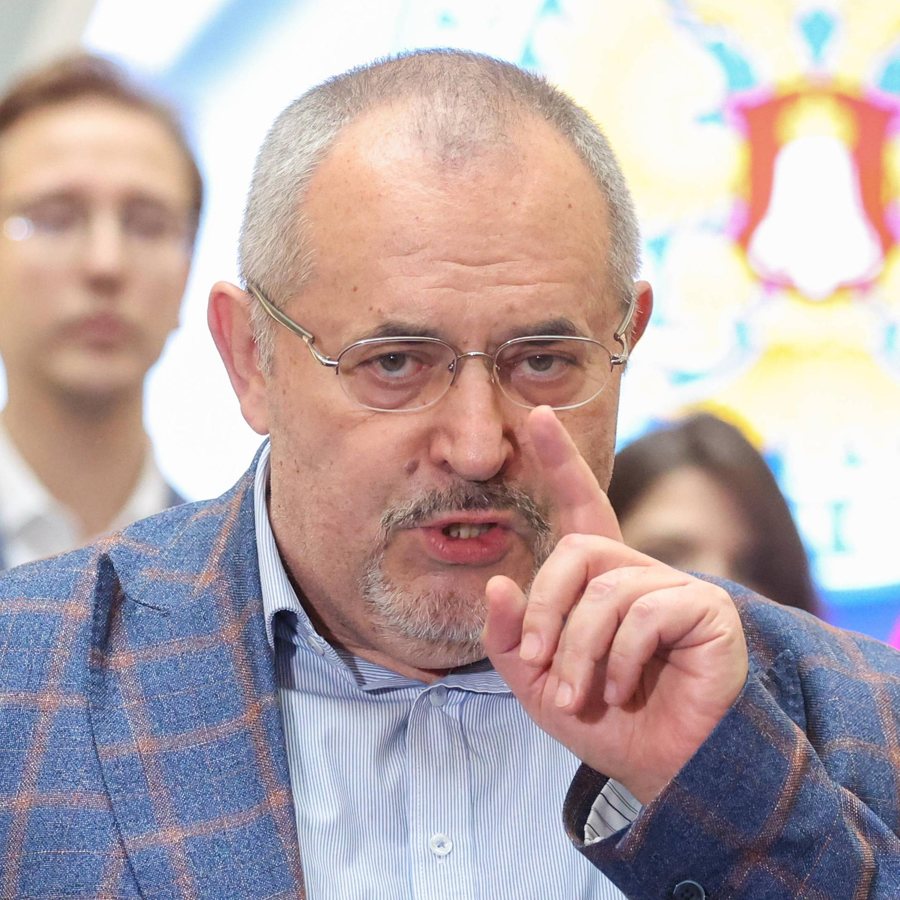
Russian opposition politician Boris Nadezhdin, a vocal critic of the Kremlin and the war in Ukraine, has announced that he will not stand as a candidate in the upcoming parliamentary elections scheduled for September. In a statement posted on Telegram, Nadezhdin cited insurmountable procedural hurdles and a lack of viable political space for independent candidates as the primary reasons for his withdrawal.
Nadezhdin, who gained prominence during his failed bid for the presidency in 2024, has long been a target of state pressure. His decision to abandon the parliamentary race underscores the increasingly constrained environment for opposition figures in Russia, where authorities have systematically tightened control over the electoral process. The move is widely seen as a concession to a system that leaves little room for genuine political competition.
The parliamentary elections, which will determine the composition of the State Duma, are expected to be dominated by the ruling United Russia party and other Kremlin-aligned forces. Independent observers have noted that the electoral framework has been progressively narrowed, with opposition candidates facing disqualification, bureaucratic obstacles, and harassment. Nadezhdin's withdrawal is the latest in a series of setbacks for Russia's fragmented opposition, which has struggled to maintain a foothold in the country's political landscape.
Nadezhdin, a former member of the liberal Yabloko party, has been a persistent critic of President Vladimir Putin's policies, particularly the invasion of Ukraine. His presidential campaign in 2024 was marked by a surge of public support, but he was ultimately barred from the ballot by the Central Election Commission on technical grounds. Since then, he has continued to speak out against the war and the government's crackdown on dissent, making him a frequent target of state-sponsored media attacks and legal scrutiny.
The decision to withdraw from the parliamentary race comes amid a broader crackdown on opposition activity in Russia. In recent months, authorities have arrested several prominent activists and journalists, and have intensified efforts to label independent organizations as «foreign agents» or «extremist groups.» The Kremlin has also pushed through constitutional changes and legal amendments that further centralize power and limit avenues for political dissent.
Analysts suggest that Nadezhdin's withdrawal reflects the grim reality for any politician seeking to challenge the status quo from within the system. Without access to state-controlled media, facing constant threats of prosecution, and operating under a legal framework that heavily favors pro-government candidates, independent figures find it nearly impossible to mount a credible campaign. The parliamentary elections are thus expected to produce a legislature that offers little meaningful opposition to the executive branch.
Despite his withdrawal, Nadezhdin has indicated that he will continue his political activism outside the electoral arena. In his Telegram post, he called on supporters to remain engaged and to seek alternative ways to advocate for democratic change. However, the prospects for a broad-based opposition movement remain dim, as the state's capacity to suppress dissent has grown more sophisticated and pervasive.
The international community has taken note of the shrinking political space in Russia. Western governments and human rights organizations have condemned the crackdown on opposition figures and the manipulation of electoral processes. However, with diplomatic relations at a low point and sanctions already in place, there is little external leverage to alter the trajectory of Russian domestic politics.
As the September elections approach, the focus is likely to shift to the few remaining opposition candidates who have managed to register, as well as to the broader question of legitimacy. For many Russians, the electoral process has become a ritual devoid of genuine choice, a sentiment that Nadezhdin's withdrawal only reinforces. The opposition's ability to mobilize public discontent outside of formal political channels will be tested in the months ahead.
75