Polls open in Greater Manchester mayoral by-election to replace Andy Burnham
Voting has begun in the biggest by-election in British political history, with more than two million people eligible to choose Andy Burnham's successor as Greater Manchester mayor.
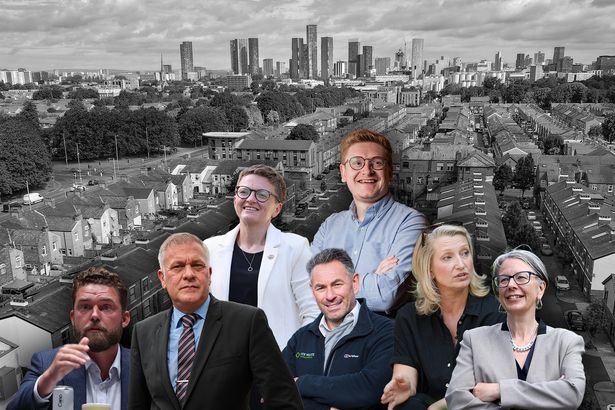
Voters across Greater Manchester headed to the polls on Thursday in what has been described as the largest by-election in British political history. More than two million people are eligible to cast their ballot to choose the successor to Andy Burnham, who served as the region's mayor for nearly a decade before stepping down to take up a role in the new government. The by-election covers the ten boroughs of Greater Manchester, including Manchester, Salford, Bolton, Wigan, and Stockport.
The contest features seven candidates representing the main political parties as well as independents. Labour's candidate Bev Craig, the leader of Manchester City Council, is widely expected to win, but the campaign has been notably overshadowed by national political events. The arrival of a new prime minister and the focus on Nigel Farage's self-imposed Clacton vote have diverted media attention away from what would normally be a headline-dominating election.
Senior Labour figures had only weeks ago feared losing the prized mayoralty to Reform UK, making the result a key test of the party's strength in a traditionally Labour-leaning region. For the Conservatives, the by-election offers an opportunity to demonstrate recovery after a difficult period, while the Liberal Democrats and Greens are hoping to build on local government gains.
Craig has campaigned on a platform of continuing Burnham's legacy, emphasising affordable transport, housebuilding, and economic growth. She has stressed the importance of devolution and securing more funding from central government. Her main challengers include the Conservative candidate, who has focused on crime and policing; the Liberal Democrat candidate, who has championed environmental issues; and the Reform UK candidate, who has drawn attention for his association with Farage.
Andy Burnham served as Greater Manchester mayor from 2017, becoming one of the most recognisable regional leaders in the country. He was a vocal critic of government policy on a range of issues, including the handling of the Covid-19 pandemic, transport funding, and homelessness. His departure to join the new government created a vacancy that has drawn a diverse field of candidates representing a broad spectrum of political views.
The election is the biggest by-election in UK history by electorate size, surpassing previous records such as the 2016 Batley and Spen by-election. Polling stations opened at 7am and will close at 10pm. Votes will be counted overnight using the supplementary vote system, which allows voters to express first and second preferences. Results are expected to be declared on Friday, with the winner confirmed by the returning officer.
Turnout will be closely watched as a barometer of public opinion, particularly given the unusual circumstances of the campaign. Political analysts will scrutinise the results for signs of shifting allegiances among voters in the north of England, a key battleground in national politics.
The outcome will determine the direction of the Greater Manchester Combined Authority, which oversees transport, policing, economic development, and housing across the region's ten boroughs. The new mayor will also have a role in shaping local responses to national policy, particularly on issues such as devolution and regional funding. The result could have implications for the national political landscape ahead of the next general election.