
Labour peers urge Burnham to back compulsory voting law
Senior Labour peers have asked Andy Burnham to support legislation that would make casting a ballot a civic duty in UK elections, as the Prime Minister faces calls to change the law.
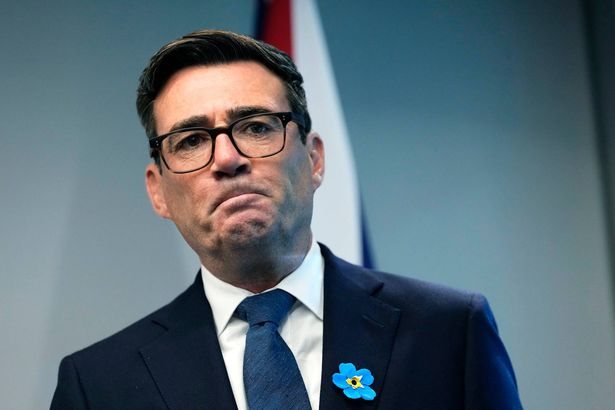
Senior Labour peers have asked Andy Burnham to throw his weight behind proposed legislation that would make voting in UK elections a compulsory civic duty. The move would represent one of the most significant changes to the British electoral system in decades if it were to reach the statute book.
The peers have urged the Prime Minister to change the law, arguing that casting a ballot should be treated as a responsibility rather than an optional act. The proposal would place the UK alongside a small group of democracies that already enforce turnout through legal obligation, including Australia and Belgium.
Andy Burnham, who has built a prominent national profile as Mayor of Greater Manchester, has not yet signalled whether he will endorse the plan. His backing would carry considerable weight within Labour circles, given his electoral record and his ability to mobilise support across the party's traditional heartlands.
The intervention comes amid heightened speculation about the timing of the next general election. Rising support for the government has led some analysts to suggest that an early poll could allow Labour to cement its position, though experts have cautioned against reading too much into short-term polling movements.
Compulsory voting is a contentious idea in British politics. Supporters argue that it would boost democratic legitimacy, reduce the influence of well-organised fringe groups, and force parties to appeal to a broader cross-section of the electorate. Critics counter that compelling citizens to vote infringes on individual liberty and could lead to an increase in spoiled or uninformed ballots.
The proposal would require primary legislation to pass through both Houses of Parliament. Even with Labour peers championing the cause, the government has given no indication that it intends to bring forward such a bill in the current session. The Prime Minister has so far remained silent on the specific request.
Burnham's position on the issue is being watched closely because of his broader political trajectory. He has repeatedly declined to rule out a future return to Westminster, and his stance on constitutional reform could shape the debate within Labour about how far the party should go in reshaping the UK's democratic architecture.
Any move towards compulsory voting would also raise practical questions about enforcement. Countries that operate such systems typically pair the legal obligation with a modest fine or a requirement to provide a valid excuse. Whether a similar model could be made to work in the UK, with its patchwork of local electoral administrations, remains an open question.
For now, the request from the Labour peers places the issue squarely on Burnham's desk. Whether he chooses to champion the cause, or to keep his distance, will be seen as a signal of how he intends to use his platform in the months ahead.