
John Healey Appointed Chancellor in Andy Burnham Cabinet Reshuffle
Andy Burnham has appointed John Healey as Chancellor and Ed Miliband as Foreign Secretary in a major cabinet reshuffle, with Angela Rayner making a significant return, as part of what he describes as the most significant political change in 40 years.
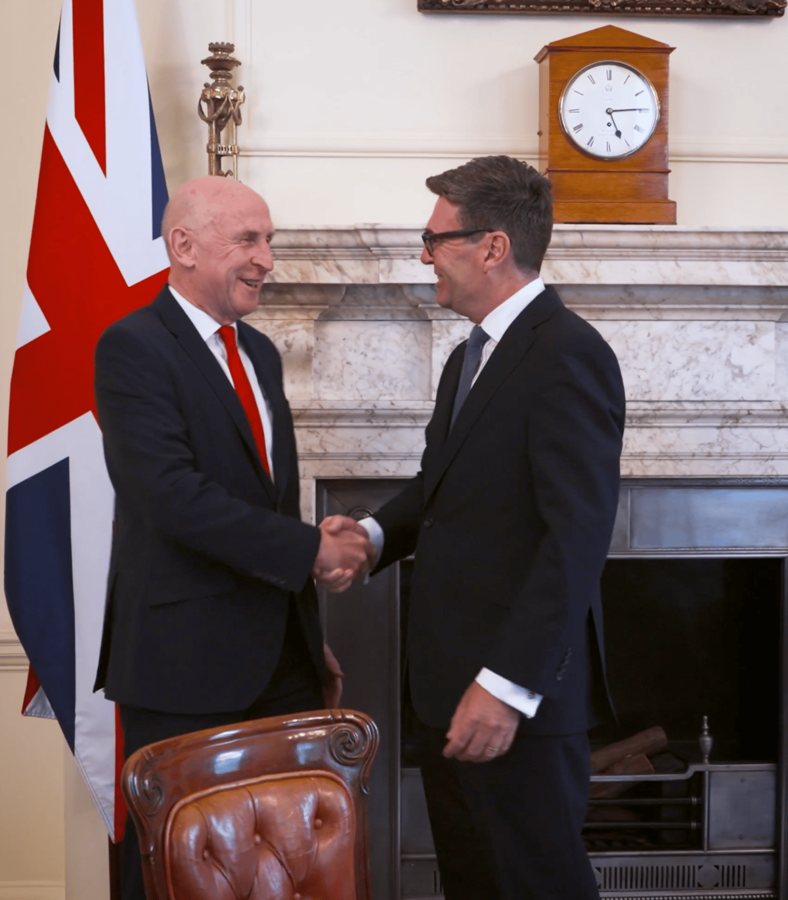
Andy Burnham has unveiled a reshuffled cabinet, appointing John Healey as Chancellor of the Exchequer in a move that signals a major shift in economic policy direction. The former defence secretary replaces Rachel Reeves, while Ed Miliband has been named Foreign Secretary and Shabana Mahmood retains her position as Home Secretary. The changes come as Burnham pledges to deliver what he calls «the most significant change moment in our politics for 40 years».
The appointment of Healey, a seasoned Labour figure with extensive experience in defence and security matters, marks a notable departure from the previous economic team. Healey's background includes serving as Shadow Defence Secretary and holding various frontbench roles, giving him a broad understanding of government operations. His elevation to the Treasury is seen as a strategic choice to bring fiscal discipline while maintaining the government's ambitious spending plans.
Angela Rayner makes a prominent comeback in the reshuffle, returning to a senior cabinet role after a period away from the front line. Her return is widely interpreted as an effort to strengthen the government's connection with working-class voters and trade unions, areas where Rayner has traditionally held significant influence. The move also balances the cabinet's ideological spectrum, ensuring representation from the party's left wing alongside more centrist figures.
Ed Miliband's appointment as Foreign Secretary represents a significant foreign policy shift. The former Labour leader brings experience in international climate diplomacy and has been a vocal advocate for a more assertive British role in global affairs, particularly on environmental issues. His appointment signals that climate change and international cooperation will be central pillars of the government's foreign policy agenda.
Shabana Mahmood remains at the Home Office, providing continuity in domestic security and immigration policy. Her retention suggests the government intends to maintain its current approach to border control and law enforcement, areas where Mahmood has been a steady hand since taking the role. The decision to keep her in post also avoids further disruption in a department that has seen significant turnover in recent years.
The reshuffle represents a comprehensive overhaul of Burnham's top team, with several other changes expected across junior ministerial ranks. The prime minister has framed the changes as necessary to deliver on his electoral mandate and to address the challenges facing the country, including economic recovery, public service reform, and Britain's role on the world stage.
Political analysts have noted that the reshuffle consolidates Burnham's authority within the party while rewarding loyalty and experience. Healey's move to the Treasury is particularly significant given the economic headwinds facing the UK, including persistent inflation, sluggish growth, and strained public finances. His appointment suggests the government will prioritise stability and long-term investment over short-term political gains.
The changes have been met with a mixed response from within the Labour Party. Some MPs have welcomed the injection of experience and the return of figures like Rayner, while others have expressed concern about the sidelining of some younger talents. However, the overall mood within the party appears to be one of cautious optimism, with many believing the reshuffle positions the government strongly for the next election cycle.
Opposition parties have criticised the reshuffle as a reshuffling of the same old faces rather than a genuine renewal. The Conservatives have accused Burnham of failing to bring fresh thinking into government, while the Liberal Democrats have questioned whether the new team can deliver the change the country needs. The government has dismissed these criticisms, arguing that experience and stability are precisely what the country requires at this critical juncture.
The reshuffle is expected to be followed by further announcements on policy priorities in the coming weeks, with the new cabinet set to meet for the first time next week. Burnham has indicated that the government will focus on economic growth, public service improvement, and strengthening Britain's international partnerships. The coming months will test whether this reshuffled team can deliver on those ambitious promises.