Greater Manchester voters demand action on housing and transport from next mayor
As the election to succeed Andy Burnham approaches, residents in Greater Manchester are clear about what they want from their next mayor: tangible improvements to housing, transport, and public services rather than empty promises.
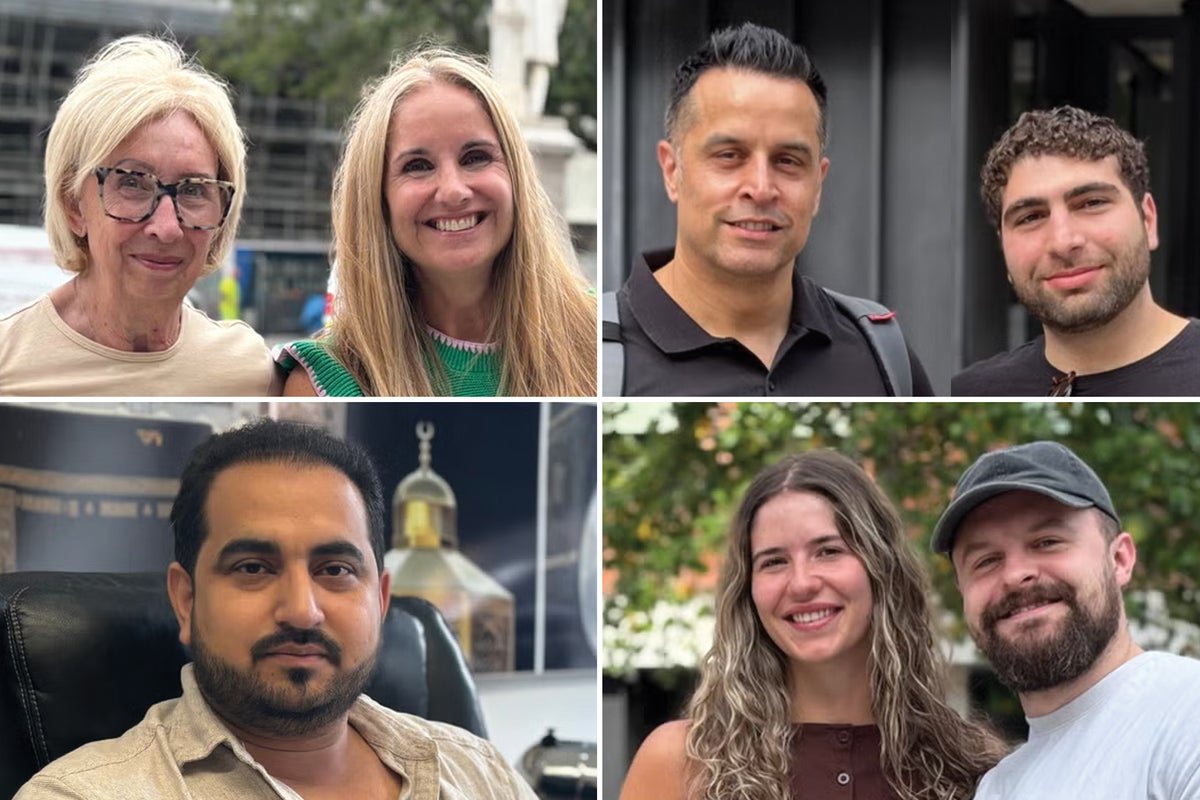
Voters in Greater Manchester are approaching the upcoming mayoral election with a clear message for the candidates: deliver concrete results, not just optimism. As the contest to succeed Andy Burnham intensifies, residents have voiced their priorities, emphasising that the next mayor must address the region's pressing challenges in housing, transport, and social care. One voter summed up the mood by saying, «You can't fix it through vibes alone» — a sentiment that reflects a growing demand for practical solutions over political rhetoric.
The role of Greater Manchester mayor, established in 2017, carries significant powers over transport, policing, housing, and economic development. Whoever wins on polling day will inherit a region with a housing affordability crisis, overcrowded public transport, and a social care system under severe strain. The outgoing mayor, Andy Burnham, has been a prominent figure in national debates on social care reform, and the next mayor will be expected to continue that work while also tackling local issues that affect everyday life.
Affordable housing tops the list of concerns for many voters. With house prices in Manchester rising sharply and rents outpacing wage growth, residents are looking for a mayor who can accelerate the delivery of new social and affordable homes. The Manchester Evening News reports that the winner of the election will have «a lot of work to do» — a remark that underscores the scale of the task ahead. Beyond housing, reliable and affordable public transport is another key issue. Commuters have long complained about delays, overcrowding, and fare increases on buses and trams, and they expect the next mayor to push for improvements and integration of transport networks across the ten boroughs.
Social care remains a major national and local challenge. Burnham has made it a signature issue, advocating for a new national care service. In a recent commentary, he acknowledged the difficulty of the task, saying that people are «already scared by what they're seeing anyway through their own eyes in their own homes or in care homes.» His successor will need to balance local care pressures with the broader political battle for sustainable funding. Voters want a mayor who can navigate these complexities while ensuring that frontline services do not deteriorate.
The election also comes at a time when the region's economy is undergoing change, with growth in digital and creative industries but persistent inequality. Residents expect the next mayor to foster job creation and skills training, particularly for young people and those in deprived areas. Economic development is a core mayoral responsibility, and voters are watching how candidates plan to attract investment and support local businesses.
Labour's candidate, Bev Craig, is widely seen as the frontrunner, but she faces competition from other parties. The campaign has focused on which contender can best build on Burnham's legacy while bringing fresh approaches. For many voters, the decision will come down to which candidate offers the most credible plan to fix the everyday problems that affect their lives: a home they can afford, a bus that runs on time, and a care system that supports the vulnerable.
As the election draws near, the message from the electorate is unmistakable. They want a mayor who listens, but more importantly, one who acts. The next occupant of the Greater Manchester mayoralty will be judged not on promises made during the campaign but on the changes delivered in office.