
Five EU States Urge Brussels and London to Deepen Clean Energy Ties
Germany, Belgium, the Netherlands, Luxembourg and Denmark sent a letter to EU leaders ahead of an important summit in Brussels, proposing deeper cooperation in clean energy, including Britain's connection to the EU's internal electricity market.
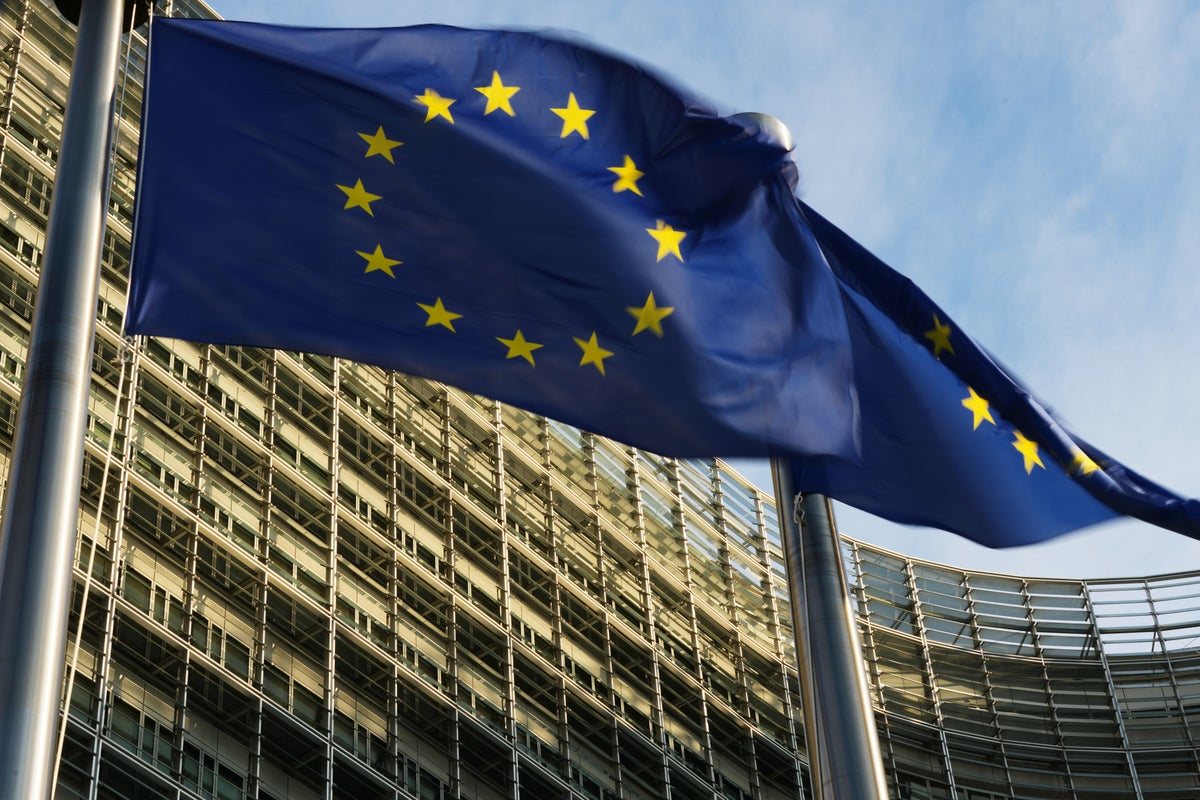
Five European states have called on Brussels and London to deepen cooperation in clean energy ahead of the expected EU-UK summit. Germany, Belgium, the Netherlands, Luxembourg and Denmark signed a joint letter addressed to European Commission President Ursula von der Leyen and European Council President António Costa. The document is intended to set a practical agenda for the upcoming meeting.
At the heart of the proposal is the idea that close ties in clean energy would benefit both sides. The authors of the letter argue that joint work in this area could become a concrete direction for developing relations after the United Kingdom's departure from the European Union. One of the key elements of the proposal is the UK's accession to the European Union's internal electricity market. This is not about political rapprochement in general, but about a narrower and technically clearer task: integrating energy systems that are already linked through cross-border interconnections.
Pressure on London over integration into the EU energy market is reportedly growing. The summit in Brussels is described as an important and eagerly awaited meeting between the European Union and the United Kingdom. That is why the letter from the five states looks like an attempt to set the direction of negotiations before they begin, rather than after. Energy experts often note that the electricity grids of the North Sea and continental Europe are interdependent: disruptions or regulatory differences in one country quickly affect its neighbours, so the question of access to a common market has practical as well as political significance.
The letter reflects the desire of some EU member states to build more pragmatic cooperation with the United Kingdom, going beyond previous disagreements. Energy is seen as an area where mutual benefit could be most tangible. The outcome of the summit and the possible reaction of the British government to the proposal are not yet known. The sources on which this material is based frame the headline differently, but the essence of the proposal, namely deeper energy cooperation and integration into the electricity market, is consistent across them.
Source: independent.co.uk
10