
Conservative blueprint calls for sweeping overhaul of US military academies
A conservative organization proposes a comprehensive reform of US service academies and war colleges, aiming to refocus military education on warfighting and enshrine Trump-era changes into law.
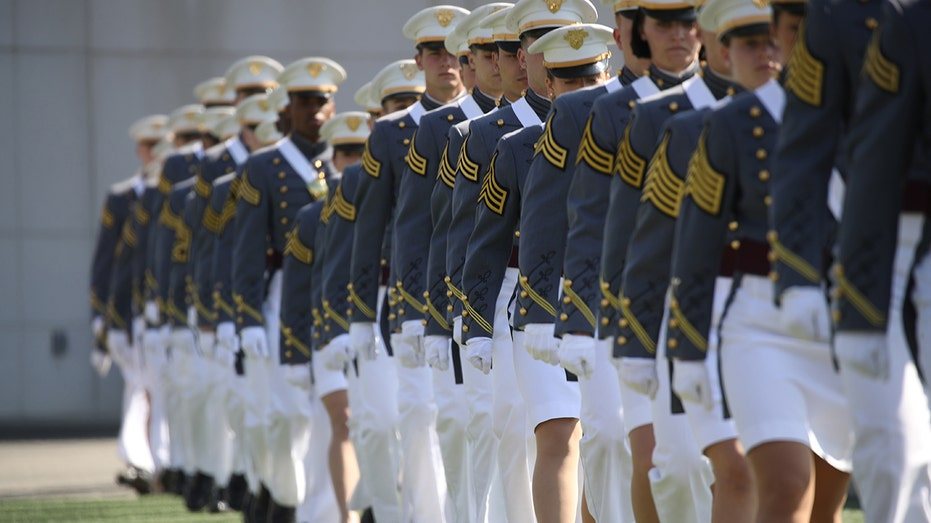
A conservative advocacy group has released a detailed blueprint calling for a fundamental restructuring of America's military academies and war colleges, arguing that these institutions have strayed from their core mission of preparing officers to win wars. The 12-page proposal, drafted by Restoration of America and obtained by Fox News Digital, urges Congress to codify the Trump administration's recent reforms into permanent law, preventing future administrations from reversing them through executive action.
Doug Truax, a West Point graduate and founder of Restoration of America, told Fox News Digital that the academies have drifted too far toward civilian academia, producing philosophers and bureaucrats instead of warfighters. «The expectation is that they're generating warfighters, not philosophers and future bureaucrats,» Truax said. «We pay a lot for these academies... and the expectation is that they're generating warfighters.» The blueprint is being shared with lawmakers and administration officials in hopes of legislative action.
The proposal is organized around four pillars: admissions, curriculum, faculty, and governance. Among its most significant recommendations, the blueprint calls for a permanent ban on considering race, ethnicity, or sex in admissions decisions; requiring at least 75 percent of coursework to focus directly on military competencies and warfighting; replacing most civilian professors with active-duty or retired military officers; and abolishing tenure at military educational institutions. It also recommends ending academy participation in the Rhodes Scholarship program, arguing that top young officers should spend their formative years leading troops rather than pursuing overseas academic fellowships.
The blueprint also calls for eliminating diversity, equity, and inclusion offices and restructuring academy oversight boards. These proposals build on changes already underway under the Trump administration. A Pentagon review has led to the disbanding of cadet clubs centered on race, ethnicity, gender, and sexual orientation at West Point, and the cancellation of several elective courses at both West Point and the Naval Academy. During a March 26, 2025, Senate Armed Services Committee hearing, service academy superintendents testified that West Point had eliminated two courses — «Race, Ethnicity and Nation» and «Power and Difference» — while the Naval Academy canceled «Gender Matters» and «Gender Sexuality Studies» and modified 18 others.
Truax argued that these changes, while positive, are fragile because they rely on executive orders that can be reversed by a future administration. «We have to take our opportunity when we have power to put this into law,» Truax said. «Otherwise, we'll look back and be like, well, we had that one little moment where it was getting better, but now we're right back where we were.» He added that «woke did not go anywhere; it's just in hiding right now,» emphasizing the need for statutory permanence.
The blueprint has drawn criticism from some quarters. Retired Army officer Bradford Duplessis, writing in a March essay for War on the Rocks, argued that a narrow focus on tactical warfighting at the expense of strategic study would harm senior military leadership. He contended that removing civilian faculty from war colleges would result in a «brain drain» in areas where military officers lack experience, such as diplomacy, politics, and other instruments of national power. «The removal of civilian faculty from the war colleges would result in brain drain in vital areas where military officers possess little to no experience or education,» Duplessis wrote, arguing that senior officers must understand the responsibilities of their future bosses beyond purely military command.
Truax rejected this view, asserting that the officer corps has spent too much time learning to think like «politicians, State Department employees and military contractors» instead of warriors. The blueprint echoes this theme throughout, arguing that military education must return to a warfighting-first mission. While Truax praised Defense Secretary Pete Hegseth for taking «a number of steps in the right direction,» he maintained that executive action alone is insufficient to ensure lasting reform.
The proposal comes amid a broader conservative push to reshape military institutions and eliminate what critics call «woke» policies. Fox News Digital has reached out to the Department of War and all three military service academies for comment on the blueprint. The outcome of this effort could have significant implications for how the United States trains its future military leaders, potentially shifting the balance between academic breadth and combat readiness in officer education.
89