
Burnham Woos Business at Labour Conference as Budget Tax Fears Linger
Prime Minister Andy Burnham used his first Labour conference as leader to court corporate Britain and reassure bond markets, while the chancellor promised help on costs. Unease over possible budget tax rises persists.
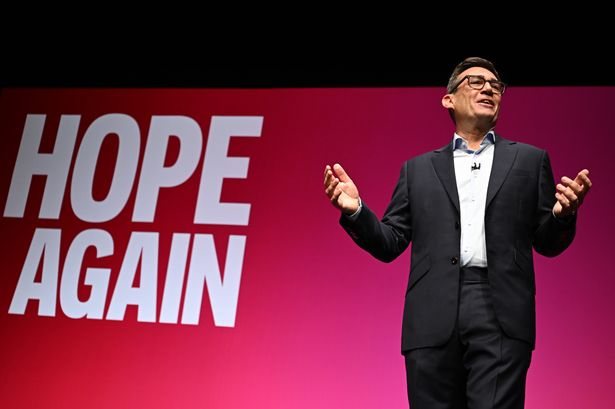
Andy Burnham has moved to repair Labour's relationship with business in his first party conference as prime minister, telling companies in Liverpool that his government is «visible and engaged» and listening to their concerns. The shift in tone marks a sharp reversal from a year ago, when Burnham, then mayor of Greater Manchester and openly ambitious to replace Keir Starmer, unsettled the City of London by saying Britain should be less «in hock» to bond markets.
Returning to the annual gathering as party leader, Burnham sought to reassure both corporate executives and City bond traders against a jittery backdrop shaped by the war in the Middle East. The chancellor also vowed to help businesses with costs, part of a wider effort to rebuild confidence in a government that has faced criticism over its economic messaging.
The prime minister's address to conference set out a domestic agenda centred on greater control over housing, energy and water, alongside reform of social care. He pledged to steer the UK away from what he called the «wrong path» and to tackle issues that politicians «usually avoid». In a significant policy announcement, Burnham said the pension triple lock would be adjusted from 2030, a move that has already prompted unease among some Labour figures.
Before the speech, Burnham summoned his cabinet to a last-minute meeting, amid reports of a potential Labour revolt over the plan to end the state pension triple lock. The decision to touch the politically sensitive guarantee underlines the scale of the choices facing the government as it tries to balance fiscal credibility with the expectations of its own party and the wider public.
For business leaders, the conference has become a test of whether Labour's warmer rhetoric translates into concrete support. Companies have pressed for clarity on tax and spending ahead of the budget, with possible tax rises a central source of anxiety. The chancellor's promise of help on costs was intended to ease those fears, but unease remains over what the budget will ultimately contain.
Burnham's personal journey from Greater Manchester mayor to prime minister has given his conference appearance unusual weight. A year ago, his comments on bond markets alarmed investors who worried about fiscal discipline. Now, as the occupant of Downing Street, he is asking the same audience to trust his stewardship of the economy. The mood in Liverpool is described as different, with Labour actively pushing to repair relations with corporate Britain.
The broader context is a volatile international environment, with the Middle East war adding to pressure on markets and energy prices. That backdrop makes the government's efforts to reassure investors more urgent, and it raises the stakes for any misstep in communication. The chancellor's remarks on costs are aimed at showing that ministers understand the pressures facing firms.
Yet the conference has also exposed internal tensions. The proposed adjustment to the triple lock from 2030 has become a flashpoint, with critics warning it could hurt pensioners and divide the party. Burnham's decision to call a cabinet meeting before his speech suggests the leadership is aware of the risks and is trying to manage them.
For now, the prime minister's message to business is one of engagement. Whether that translates into the stability and predictability companies want will depend on the budget and on the government's ability to hold its own party together. The coming weeks are likely to determine whether the Liverpool conference marks a genuine reset in Labour's relationship with corporate Britain or merely a pause in a longer argument over tax and spending.
2