
Bev Craig wins Greater Manchester mayoral by-election for Labour
Labour's Bev Craig has retained the Greater Manchester mayoralty with a dominant by-election victory, holding off Reform after Andy Burnham's departure.
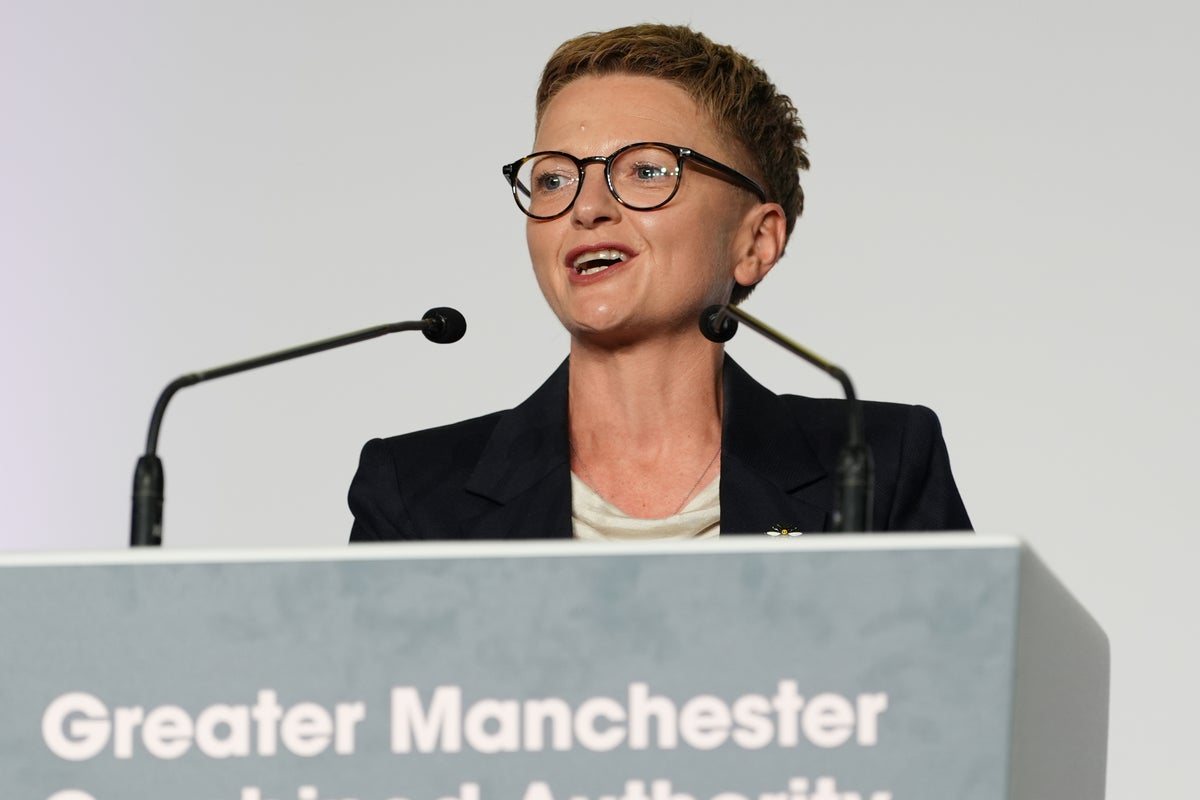
Labour has retained control of the Greater Manchester mayoralty after Bev Craig secured a dominant victory in the by-election triggered by Andy Burnham's departure, defeating Reform in what has been described as the largest by-election in British history.
Craig's win extends Labour's hold on the role and gives the party a significant boost after a campaign dominated by questions about its electoral strength. The result was seen as an early test of whether Labour could hold together the coalition of support built by Burnham, who stood down after more than eight years in office. Commentators pointed to a «Burnham bounce» in Labour's performance, with the party seeing off the threat posed by Reform.
The scale of Craig's victory was clear across the region. Labour held the mayoralty comfortably despite a strong challenge from Reform, which had hoped to capitalise on dissatisfaction with the Government. The contest was watched closely by party strategists as an indicator of voter sentiment ahead of future elections.
In Wigan, one of the boroughs that makes up the Greater Manchester combined authority, the results showed Labour retaining support across the constituency. The breakdown covered polling areas including Ashton-in-Makerfield, Astley, Atherton, Hindley, Ince, Leigh, Lowton, Orrell, Pemberton, Shevington, Standish, Tyldesley and Wigan itself. Labour's performance in these areas underlined the strength of its vote in the north-west of the region and helped lay the foundation for Craig's overall majority.
In Tameside, the local breakdown covered Ashton-under-Lyne, Audenshaw, Denton, Droylsden, Dukinfield, Hyde, Mossley and Stalybridge. These results mirrored the wider pattern, with Labour's vote holding up across a mix of urban and suburban communities. The consistency of Labour's performance across both boroughs pointed to an organised campaign and a durable electoral base rather than a concentration of support in any single area.
The by-election was called after Burnham announced he was leaving the post, bringing an end to a period in which Greater Manchester became a high-profile testing ground for devolved policy. His tenure was marked by a high public profile on issues such as transport, housing and regional funding, and his departure created one of the most closely followed electoral contests in recent years. Labour's decision to field Craig was seen as an attempt to present continuity while turning the page.
Reform's performance will nevertheless attract attention. The party mounted a serious campaign and was widely considered the main challenger, a sign of its growing electoral footprint outside Westminster. Although it failed to overtake Labour, the result is likely to encourage Reform strategists who believe the party can compete in northern England. The outcome also leaves Labour with lessons to learn about protecting seats where voter loyalty can no longer be taken for granted.
The full results across Greater Manchester confirmed the overall shape of the contest, with Labour in front and Reform as the principal challenger. While the detailed vote tallies were released borough by borough, the headline was unambiguous. Craig will now take over the mayoralty with a mandate to continue the work begun under Burnham, including the region's transport plans, housebuilding targets and its wider devolution agenda.
Her victory will be welcomed by Labour's leadership as evidence that the party can still win in the north-west even when the national picture is difficult. The so-called «Burnham bounce» may not be a permanent electoral asset, but in this by-election it proved decisive. For Craig, the immediate task is to establish her own authority in the role and move beyond the shadow of her predecessor.
The result will also be studied for what it says about the state of British politics more broadly. A dominant Labour win in a region where Reform has invested heavily in campaigning suggests that traditional loyalties still matter in Greater Manchester, even as the national political landscape fragments. The scale of the contest, described as the largest by-election ever held in Britain, underlined the political weight of the outcome.
Craig's victory means Labour retains one of the most powerful regional mandates in England, overseeing a combined authority with significant powers over transport, skills, housing and economic development. The scale of the win hands her a clear mandate, but also raises expectations. Whether she can translate campaign momentum into long-term governance will be the next test.