
Andy Burnham’s Cabinet Reshuffle Signals Potential Shift on Brexit Policy
Greater Manchester Mayor Andy Burnham has reshuffled his cabinet, appointing Hamish Falconer to lead Brexit reset talks, a move that analysts suggest could lead to a reconsideration of Keir Starmer’s current red lines on the issue.
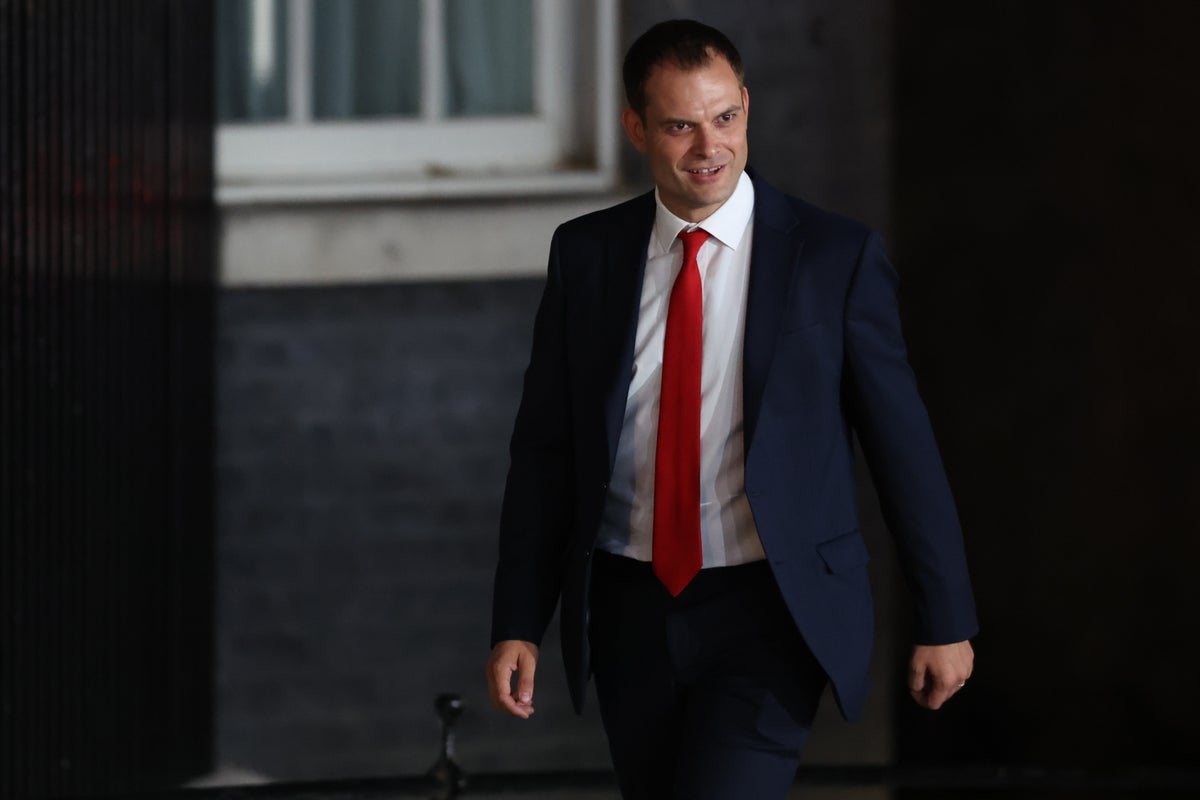
Greater Manchester Mayor Andy Burnham has reshuffled his cabinet, appointing Hamish Falconer to lead the region’s Brexit reset talks, a move that political commentators suggest could open the door to a broader reconsideration of the government’s current stance on the issue. The appointment, announced as part of a wider cabinet overhaul, signals a potential shift in the approach to post-Brexit relations, with Falconer—a former diplomat and Labour figure—tasked with negotiating a closer alignment between the North of England and the European Union.
The reshuffle, which Burnham has described as creating a «Cabinet for the North,» includes several new appointments and sackings, reflecting his ambition to strengthen regional governance and influence national policy. Among the key changes, Falconer’s role is seen as particularly significant, given his background in foreign affairs and his previous work on Brexit-related matters. Political editor David Maddox of The Independent notes that the appointment «suggests Andy Burnham may end up reconsidering Keir Starmer’s red lines,» referring to the Prime Minister’s current position that rules out rejoining the single market or customs union.
Burnham, a prominent Labour figure and former cabinet minister under Gordon Brown, has long been a vocal critic of the government’s handling of Brexit, particularly its impact on the North of England. His creation of a dedicated Brexit reset role within his cabinet is widely interpreted as a move to push for a more pragmatic approach, potentially including closer economic ties with the EU. The mayor’s office has confirmed that Falconer will lead discussions with Brussels and Whitehall, focusing on trade, investment, and labour mobility—areas where the North has felt the brunt of post-Brexit barriers.
The reshuffle also saw the departure of several long-serving advisors and the promotion of newer faces, including Kate Green, a former Labour MP, who takes on a portfolio covering children and education. The changes come amid growing frustration among northern business leaders and local authorities over the perceived lack of progress in the government’s Brexit reset agenda. Burnham’s move is seen as an attempt to bypass Westminster gridlock and assert greater regional control over key policy areas.
Critics, however, have questioned the effectiveness of a regional cabinet in influencing national policy, with some Conservative MPs dismissing it as a «symbolic gesture.» Yet supporters argue that the move could create a template for other metro mayors and devolved administrations to follow, potentially building pressure on the Prime Minister to soften his red lines. The appointment of Falconer, who served as a diplomat in the Middle East and later as a Labour foreign policy advisor, is particularly notable given his expertise in international negotiations.
The broader context of the reshuffle includes Burnham’s ongoing rivalry with Starmer, who has sought to maintain a cautious approach to Brexit to avoid alienating Leave-voting constituencies. Burnham, who represents a region that voted heavily for Leave in the 2016 referendum, has walked a fine line between acknowledging the referendum result and advocating for closer EU ties. His latest move suggests a shift towards the latter, potentially positioning him as a key voice in the Labour Party’s internal debate on Europe.
Reactions from business groups have been cautiously positive. The Greater Manchester Chamber of Commerce welcomed the appointment, stating that «a dedicated focus on Brexit reset is long overdue.» However, they stressed that tangible outcomes, such as reduced trade barriers and access to EU labour markets, would be the true test of success. Meanwhile, pro-Brexit campaigners have expressed concern, warning that any move towards rejoining the single market could undermine the «sovereignty» achieved by leaving the EU.
The reshuffle also includes changes to portfolios covering transport, housing, and the environment, with Burnham aiming to present a united front ahead of the next mayoral election in 2024. The creation of a «Cabinet for the North» is intended to amplify the region’s voice in national debates, particularly on issues like levelling up and economic regeneration. Falconer’s appointment, however, remains the most headline-grabbing element, given its potential to reshape the Brexit debate.
As the UK continues to grapple with the economic consequences of Brexit—including labour shortages, trade friction, and reduced investment—Burnham’s move may prove prescient. Whether it leads to a genuine policy shift remains to be seen, but it has already reignited discussions about the future of the UK-EU relationship. For now, all eyes are on Falconer as he begins his new role, tasked with navigating the complex politics of Brexit reset in a deeply divided political landscape.
85