
Andy Burnham Vows to End Rough Sleeping in First Speech as Prime Minister
New Prime Minister Andy Burnham delivered his first address to the nation outside Downing Street, pledging to end rough sleeping, set out a ten-year plan, and introduce measures to ease the cost of living.
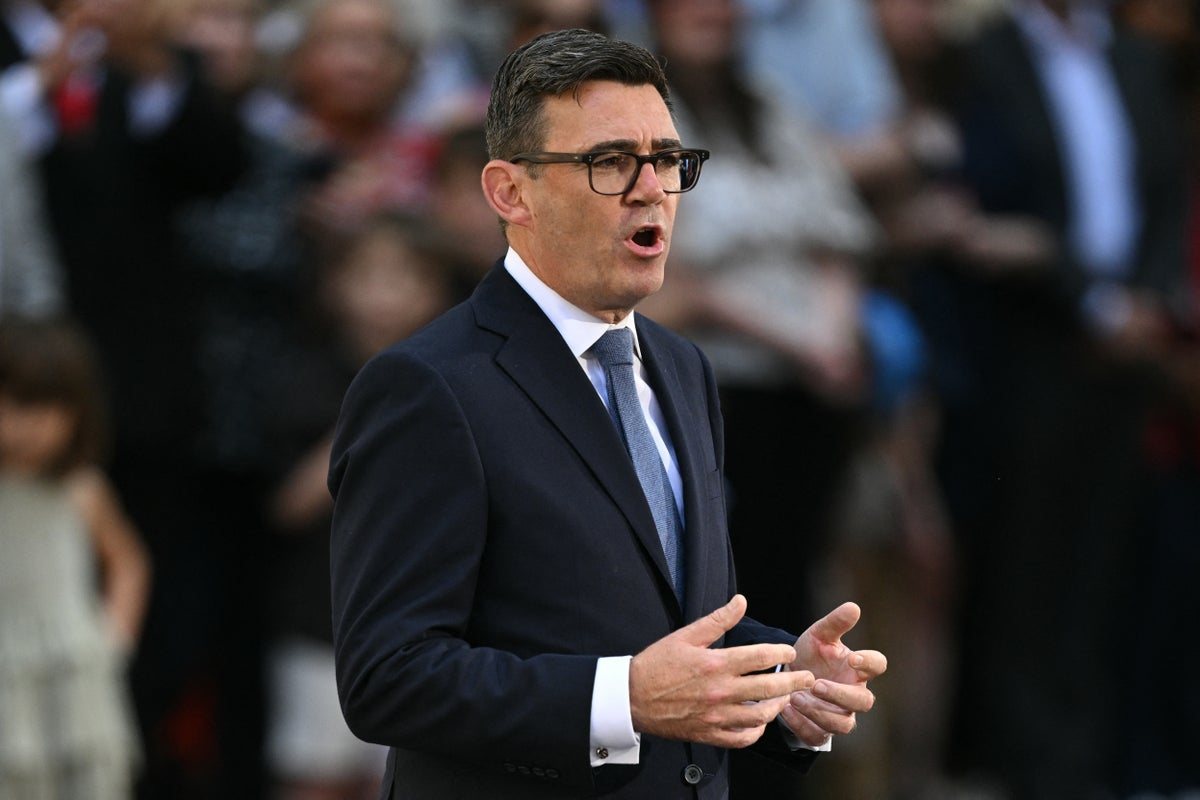
New Prime Minister Andy Burnham has used his first address to the nation to pledge an end to rough sleeping, setting out an ambitious agenda for his government. Speaking outside 10 Downing Street without a lectern, the former mayor of Greater Manchester vowed to tackle homelessness as a central priority, alongside a broader ten-year plan to reshape public services and economic policy. The speech, delivered shortly after his formal appointment, marked a clear departure from the style of his predecessor and signalled a new approach to governance.
Burnham, who entered Number 10 after a decisive election victory, emphasised that his administration would focus on practical outcomes rather than political rhetoric. In his address, he promised to bring forward a comprehensive ten-year plan later this year, which will outline the government's strategy for addressing long-term challenges such as housing, healthcare, and economic inequality. The prime minister stressed that the plan would be built on evidence and collaboration with local leaders, reflecting his own experience as a metro mayor.
One of the most striking commitments in the speech was the pledge to end rough sleeping, a goal that Burnham described as both a moral imperative and a test of the government's effectiveness. He acknowledged that previous efforts had fallen short but insisted that with the right policies and resources, the problem could be solved within a decade. The announcement was welcomed by homelessness charities, though some cautioned that it would require significant investment and cross-departmental coordination.
Burnham also addressed the cost of living crisis, which has placed immense pressure on households across the country. He promised new measures to provide people with what he called «breathing space,» including targeted support for those struggling with energy bills, rent, and food costs. While he did not provide detailed figures in the speech, his team later indicated that the measures would be outlined in the upcoming budget and would prioritise the most vulnerable.
The prime minister’s address was notable for its tone and delivery. Speaking without a lectern, he adopted a conversational style that contrasted sharply with the formal podium addresses typical of such occasions. Observers noted that this choice appeared deliberate, intended to signal accessibility and a break from the past. Burnham referenced his own background, growing up in a working-class family in the north-west of England, and framed his policies as rooted in the everyday experiences of ordinary people.
Political analysts have pointed out that Burnham’s first speech sets a clear direction for his government, focusing on domestic issues and social justice rather than foreign policy or constitutional reform. The emphasis on homelessness and cost of living reflects the priorities that defined his campaign and are likely to remain central to his premiership. However, some commentators have noted that the speech lacked specific timelines or funding commitments, leaving room for scrutiny as the government moves from rhetoric to implementation.
The reaction from opposition parties has been cautious. While acknowledging the ambition of the pledges, critics have questioned whether the government can deliver on its promises without raising taxes or cutting spending elsewhere. The Liberal Democrats called for more immediate action on the cost of living, while the Conservatives accused Burnham of offering «warm words without a credible plan.» Nonetheless, early opinion polls suggest that the public has responded positively to the prime minister’s direct and empathetic tone.
Burnham’s transition from mayor to prime minister has been closely watched, given his reputation as a pragmatic and effective local leader. During his tenure in Greater Manchester, he oversaw initiatives on housing, transport, and devolution that earned him cross-party respect. His decision to bring that experience to Downing Street has raised expectations that his government will adopt a more decentralised approach, empowering regions and cities to tackle their own challenges. The ten-year plan is expected to include provisions for further devolution, particularly in areas such as health and social care.
In the coming weeks, Burnham is expected to announce his cabinet and set out a legislative agenda for the first parliamentary session. Key appointments are likely to reflect his commitment to diversity and regional representation, with several northern MPs tipped for senior roles. The prime minister has also signalled that he will prioritise rebuilding trust in politics, promising to tighten lobbying rules and increase transparency in government decision-making.
As the new administration settles in, the focus will shift to delivery. The pledge to end rough sleeping, while ambitious, will require sustained investment in social housing, mental health services, and employment support. Burnham has acknowledged that the task will not be easy, but he insisted in his speech that «this is the moment Britain starts to believe again.» Whether that belief translates into tangible change will depend on the government’s ability to turn its first-day promises into lasting policy.
84