
Andy Burnham to become Labour leader, setting out vision for Britain
Andy Burnham will be confirmed as Labour Party leader at a special conference on Monday, succeeding Keir Starmer, and is expected to outline his vision for the country as he prepares to enter Downing Street.
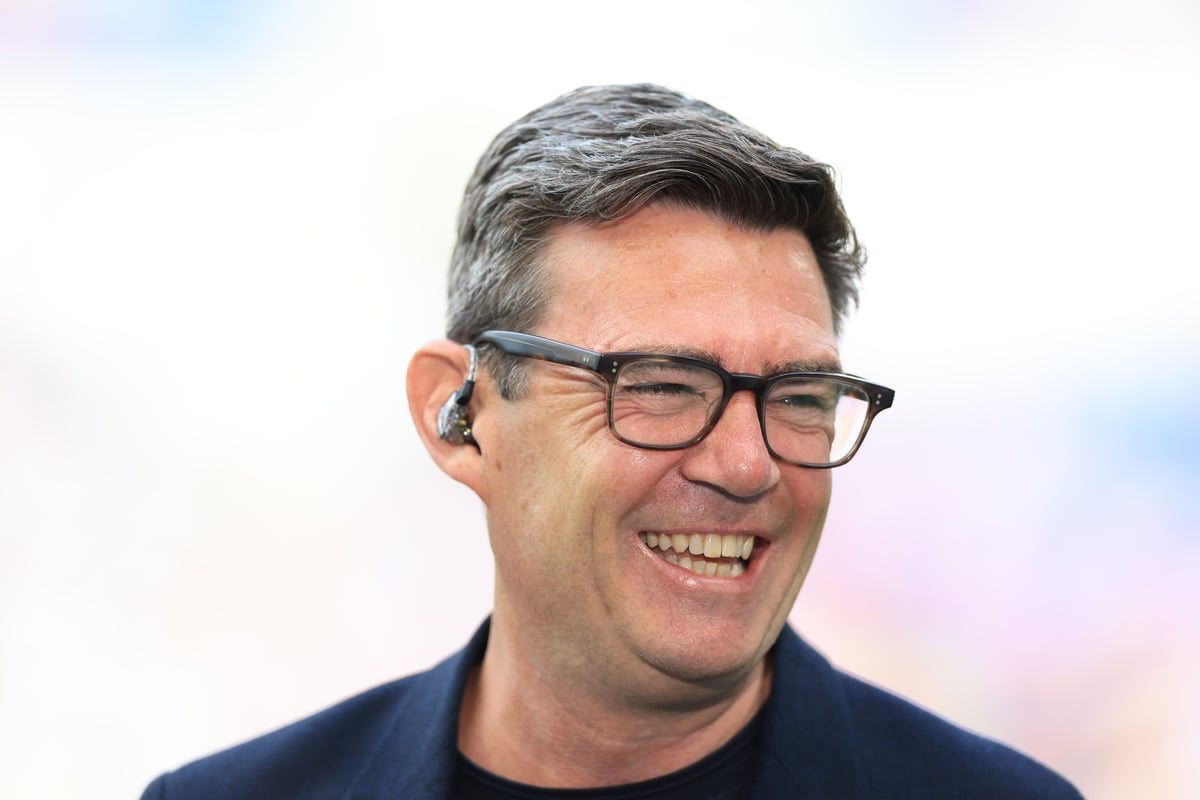
Andy Burnham is set to be confirmed as the new leader of the Labour Party at a special conference on Monday, paving the way for him to enter Downing Street and become the next prime minister. The former Greater Manchester mayor will succeed Keir Starmer, who announced he was stepping down after leading the party through a period of electoral gains and internal restructuring. Burnham's elevation marks a significant shift in the party's leadership, with expectations that he will outline a fresh vision for Britain during his acceptance speech.
Burnham, who has served as the MP for Makerfield since 2010, has been a prominent figure in Labour politics for over a decade. His tenure as mayor of Greater Manchester from 2017 to 2024 gave him a high-profile platform to advocate for regional devolution, public transport investment, and social housing. During his time in office, he frequently clashed with the Conservative government over funding for the region, particularly during the COVID-19 pandemic, when he called for greater financial support for local authorities. His leadership campaign has focused on a platform of economic reform, strengthening public services, and addressing regional inequalities across the UK.
The transition comes after Starmer's decision to step down, which he announced following a period of reflection on the party's direction. Starmer, who became Labour leader in 2020, led the party through two general elections, securing a significant increase in parliamentary seats in 2024 but falling short of an outright majority. In his farewell remarks, Starmer expressed confidence that Burnham could lead Labour to victory in the next election, stating that the party was united and ready to govern. Burnham is expected to build on Starmer's legacy while charting a distinct course, emphasizing a more interventionist approach to the economy and a stronger focus on devolution.
Burnham's vision for Britain, which he is set to outline in his conference speech, is expected to include pledges to reverse what he describes as the «wrong turns» taken by previous Conservative governments. He has been critical of the legacy of Margaret Thatcher, arguing that her policies led to decades of economic decline and social fragmentation in many parts of the country. Instead, Burnham has advocated for a return to a more collectivist approach, with greater state investment in infrastructure, healthcare, and education. His proposals have drawn comparisons to the post-war consensus, though he has framed them as a modern response to contemporary challenges such as the cost-of-living crisis, climate change, and regional disparities.
The special conference, which will formally confirm Burnham as leader, is being held in Manchester, a city that has become synonymous with his political brand. Delegates from across the party are expected to attend, with many expressing enthusiasm for a leader who has maintained strong grassroots support. Burnham's allies have described him as a unifying figure who can appeal to both traditional Labour voters and those who have drifted away from the party in recent years. His record as mayor, which includes overseeing the construction of new affordable homes and expanding the city's tram network, is seen as evidence of his ability to deliver tangible results.
However, Burnham faces significant challenges as he prepares to take office. The UK economy remains under pressure from high inflation, sluggish growth, and public sector strikes. The National Health Service is grappling with record waiting lists, and the housing crisis continues to deepen, particularly in urban areas. Burnham has pledged to address these issues through a combination of increased public spending, tax reforms, and a renewed focus on devolution. He has also signaled a more assertive stance on Brexit, calling for closer ties with the European Union while ruling out a return to the single market or customs union.
Political analysts have noted that Burnham's leadership style is markedly different from Starmer's. While Starmer was often seen as cautious and legalistic, Burnham is more emotive and populist in his approach, frequently using direct language to connect with voters. This has helped him build a loyal following, particularly in the north of England, but it has also drawn criticism from some within the party who worry about his willingness to challenge the establishment. His critics have pointed to his support for the scrapping of the two-child benefit cap and his calls for higher taxes on the wealthy as evidence of a shift to the left, though Burnham has insisted that his policies are pragmatic and designed to win elections.
The confirmation of Burnham as leader comes at a time of political flux in the UK, with the Conservative Party still reeling from a series of scandals and internal divisions. The next general election is expected within the next two years, and Labour is currently leading in opinion polls. Burnham's ability to maintain this momentum while presenting a credible alternative to the government will be crucial to his success. His speech on Monday is expected to set the tone for his premiership, offering a clear vision for the country and a roadmap for the challenges ahead.
As Burnham prepares to take the reins of power, the Labour Party is projecting an image of unity and purpose. The special conference is being framed as a celebration of the party's renewal, with Burnham at the helm. For many Labour members, his ascent represents a return to the party's core values of social justice and economic fairness, adapted for the 21st century. Whether he can translate this vision into electoral success remains to be seen, but his supporters are confident that he has the experience, charisma, and determination to lead Britain through a period of profound change.
94