
Andy Burnham scraps VAT on electricity bills ahead of first Cabinet meeting
Prime Minister Andy Burnham has announced the abolition of VAT on electricity bills, a move expected to save households around £45 a year, as he prepares to chair his first Cabinet meeting with a record number of women ministers.
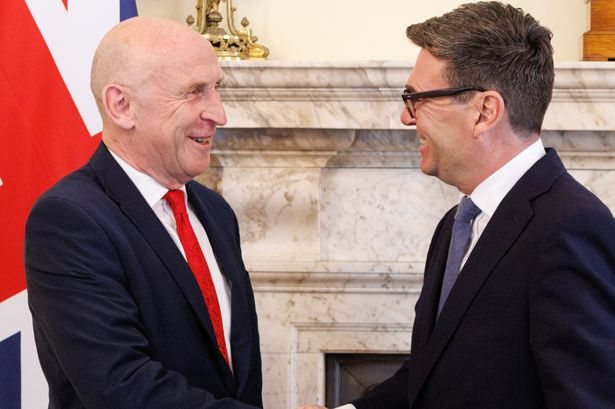
Prime Minister Andy Burnham has begun his tenure with a major cost-of-living intervention, abolishing VAT on electricity bills in a move expected to save households approximately £45 a year. The policy, announced on the morning of his first full day in office, is designed to ease financial pressure on millions of UK families and marks the new government's initial tax-cutting measure.
The decision to scrap the 5% VAT on domestic electricity bills is estimated to cost the Treasury around £850 million annually. While the Prime Minister's office has framed the cut as immediate relief for households struggling with high energy costs, critics have already questioned how the policy will be funded. Former Cabinet minister Darren Jones described the plan as «unfunded» and said the government would need to explain its financial strategy.
Burnham is expected to address the funding question during his first Cabinet meeting later today. The gathering at 10 Downing Street will bring together his newly appointed ministerial team, which includes a record number of women. The Prime Minister appointed 12 women to Cabinet roles on his first day, meaning female ministers outnumber men for the first time in British history.
The VAT cut on electricity bills is the first in a series of anticipated policy announcements from the Burnham government. Sources close to the Prime Minister indicate that further measures to address the cost-of-living crisis are under consideration, though no details have been confirmed. The move comes amid broader economic pressures, including high inflation and rising household expenses, which were central themes of Burnham's election campaign.
International reaction to the new government has been swift. European Council President António Costa confirmed he held a «good» phone call with Burnham last night, during which they agreed to «further strengthen» EU-UK relations and continue cooperation on supporting Ukraine. Costa also noted discussions about «common geopolitical challenges facing Europe,» a phrase that could encompass energy price volatility linked to the US-Israel conflict with Iran, Europe's trading and security relationship with Washington, the future of NATO, hybrid warfare threats from Russia, and the rise of national populism and anti-immigration sentiment across the continent.
Burnham's first Cabinet meeting is expected to set the tone for his administration's priorities, with energy policy, economic stability, and international relations high on the agenda. The Prime Minister's rapid move on electricity bills signals a focus on immediate, tangible relief for voters, while the record diversity of his Cabinet underscores a commitment to representation in government.
Political analysts note that the VAT abolition, while popular, will require careful fiscal management. The £850 million cost must be offset by other savings or revenue increases, and the government's first budget will be closely watched for details. The opposition has already called for a full costing breakdown, warning that unfunded tax cuts could undermine long-term economic credibility.
As Burnham chairs his first Cabinet meeting, the new administration faces a packed agenda: delivering on cost-of-living promises, navigating complex international relationships, and managing a diverse ministerial team. The electricity bill VAT cut is an early test of the government's ability to act decisively while maintaining fiscal discipline.
78