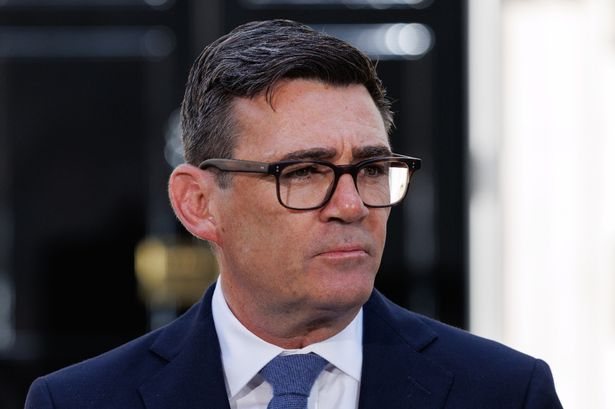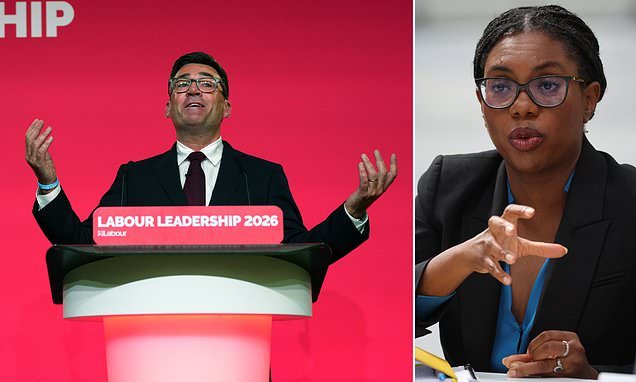
Andy Burnham, the newly appointed Prime Minister, is facing mounting pressure from voters who are demanding an immediate general election, challenging his right to govern without a direct mandate from the public. As he prepares to take office, critics have labeled him a «Messiah without a mandate,» accusing him of bypassing democratic processes to assume power. The sentiment reflects growing frustration among citizens who feel that Burnham's ascension to the highest office lacks the legitimacy that only a popular vote can confer.
Burnham, who previously served as Mayor of Greater Manchester, has been a prominent figure in British politics, known for his advocacy on regional issues and his role in the Labour Party. However, his path to becoming Prime Minister has been unconventional, as he did not lead his party into a general election. Instead, he assumed leadership through internal party mechanisms, which has sparked debate about the democratic legitimacy of his premiership. Voters across the country have expressed their discontent, with many taking to social media and public forums to voice their demands for a snap election.
The calls for an election come at a time of political instability in the United Kingdom, with the country grappling with economic challenges, public service pressures, and ongoing debates about its future relationship with the European Union. Burnham's supporters argue that he has the experience and vision to address these issues, pointing to his record in Manchester, where he oversaw initiatives on housing, transportation, and healthcare. However, his detractors contend that without a direct electoral mandate, his ability to implement significant reforms will be hampered by questions of legitimacy.
The situation has drawn comparisons to previous instances where Prime Ministers assumed office without a general election, such as Gordon Brown in 2007 and Theresa May in 2016. In both cases, the leaders faced similar criticisms and eventually called elections to secure their mandates. Political analysts suggest that Burnham may be forced to follow a similar path, as the pressure from voters and opposition parties intensifies. The opposition has seized on the issue, with leaders from the Conservative Party, Liberal Democrats, and other parties calling for an election to be held within months.
Burnham's response to the demands has been cautious. In recent statements, he has emphasized his commitment to democratic principles but has stopped short of committing to an immediate election. Instead, he has outlined a series of policy priorities, including addressing the cost-of-living crisis, investing in public services, and strengthening regional governance. These proposals have been met with mixed reactions, with some praising his focus on substantive issues while others view them as an attempt to deflect attention from the legitimacy question.
The broader political context adds complexity to the situation. The United Kingdom has experienced significant political upheaval in recent years, including Brexit, multiple changes in government leadership, and a series of economic shocks. Public trust in political institutions has declined, and many voters are skeptical of leaders who assume power without a direct mandate. Burnham's challenge is to navigate this environment while building a coalition of support both within his party and among the electorate.
Local leaders and community organizations have also weighed in on the debate. Some have expressed support for Burnham, citing his track record in Manchester as evidence of his ability to govern effectively. Others, however, have joined the calls for an election, arguing that the country needs a clear democratic mandate to address its pressing challenges. The issue has become a central topic in political discussions, with media outlets and commentators analyzing the implications for the future of British democracy.
As Burnham prepares to take office, the coming weeks will be critical in determining his political future. If he chooses to call an election, he will face the challenge of campaigning while governing, a difficult balancing act that has tripped up previous leaders. If he delays, he risks further eroding public trust and facing sustained opposition from both political rivals and the electorate. The outcome of this debate will have significant implications for the direction of the country and the health of its democratic institutions.