Andy Burnham faces backlash over controversial cabinet appointments
Andy Burnham has come under fire for his new cabinet appointments, with critics questioning the inclusion of certain figures and the exclusion of others, as the Greater Manchester mayor reshuffles his top team.
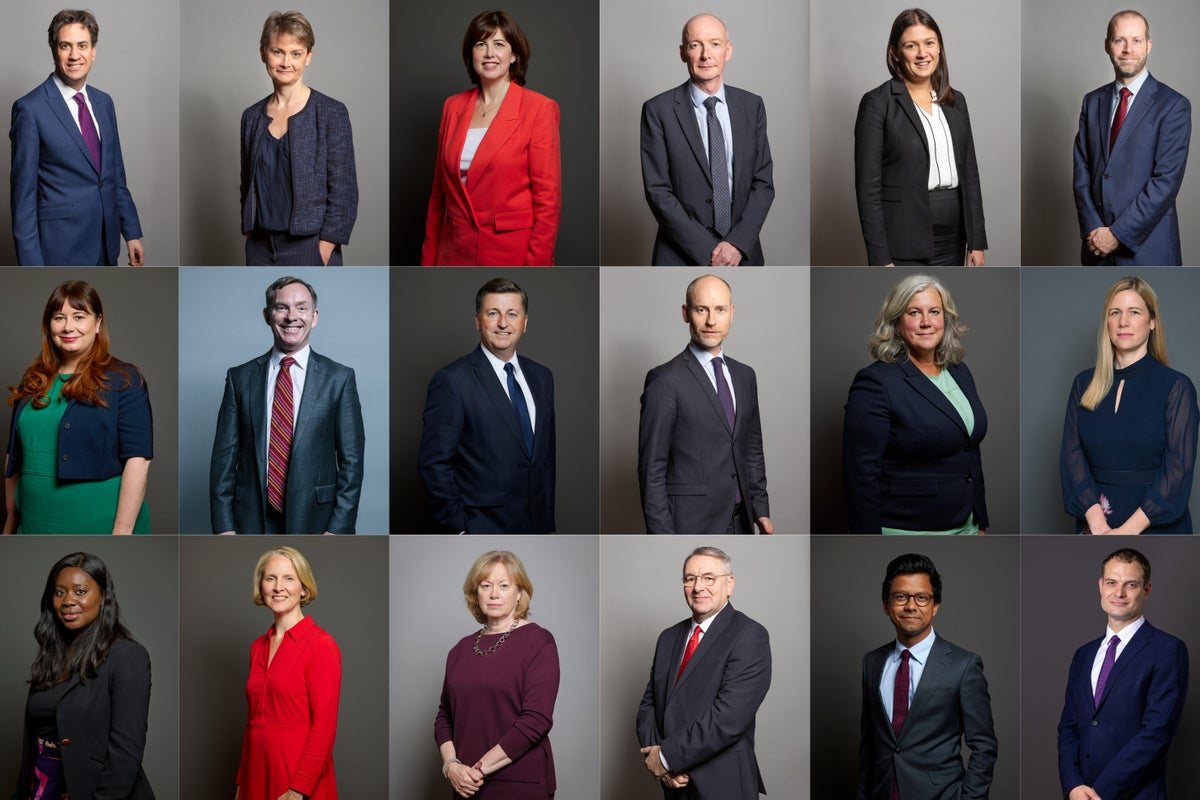
Andy Burnham, the Mayor of Greater Manchester, has faced sharp criticism over his newly appointed cabinet, with detractors savaging two of his picks as controversial. The reshuffle, announced yesterday, has sparked debate over the direction of his leadership and the balance of power within his administration.
The appointments include several figures with strong ties to the north of England, with four cabinet members based in Greater Manchester itself. However, the decision to include certain individuals has drawn fire from political opponents and some within his own party, who argue that the selections prioritise loyalty over competence or represent a shift away from the mayor’s previous commitments.
Among the most contentious moves is the appointment of John Healey as chancellor, a role that places him at the heart of Burnham’s economic strategy. Healey, a seasoned Labour figure, has been a vocal supporter of the mayor, but critics claim his elevation sidelines other experienced voices. Meanwhile, the return of Angela Rayner to the cabinet has also raised eyebrows, with some questioning whether her inclusion signals a return to factional politics rather than a focus on governance.
The reshuffle has been described as a brutal purge of Starmer loyalists, with several key figures from the previous administration removed from their posts. This has led to accusations that Burnham is consolidating power around a narrow circle of allies, rather than building a broad-based team capable of addressing the region’s challenges. The mayor’s office has defended the changes, insisting that the new cabinet reflects a commitment to delivering for the people of Greater Manchester and the wider north.
Criticism has not been limited to the appointments themselves. Darren Jones, a prominent Labour MP, has accused Burnham of making an “unfunded” cost-of-living pledge, further straining relations between the mayor and the national party. Jones’s attack highlights growing tensions over fiscal responsibility and the feasibility of Burnham’s policy promises, particularly as the region grapples with economic pressures.
The controversy comes at a time when Burnham is seeking to position himself as a key voice in Labour’s future, with some speculating that the reshuffle is designed to bolster his national profile. However, the backlash suggests that his moves may be alienating potential allies and undermining his credibility. Supporters argue that the mayor is simply exercising his prerogative to build a team that can deliver on his manifesto, but opponents see it as a power grab that risks dividing the party.
In response to the criticism, a Greater Manchester MP and minister has hit back, stating that the cabinet is focused on the region’s needs. “I don’t want to get touchy about it,” the minister said, defending the appointments as a reflection of the north’s priorities. The majority of Burnham’s cabinet members are based in the north of England, with four in Greater Manchester, underscoring the mayor’s commitment to regional representation.
The reshuffle also includes several surprising returns to cabinet, with figures who had previously been sidelined now back in key roles. This has led to a mix of reactions, with some welcoming the experience they bring, while others question the message it sends about Burnham’s judgment. The full list of appointments includes dozens of changes, with winners and losers across the political spectrum.
As the dust settles, the focus will be on how Burnham’s new team performs in addressing the region’s pressing issues, from transport and housing to economic growth and public services. The controversy over the cabinet picks may fade if the administration delivers results, but for now, the mayor faces a challenging period of scrutiny and opposition.