
UEFA declares loss of confidence in FIFA president Gianni Infantino
UEFA has declared a loss of confidence in Gianni Infantino's FIFA presidency after he abandoned a controversial plan to sell stakes in future World Cup profits to private investors. European football officials are demanding a fundamental review of FIFA's governance.
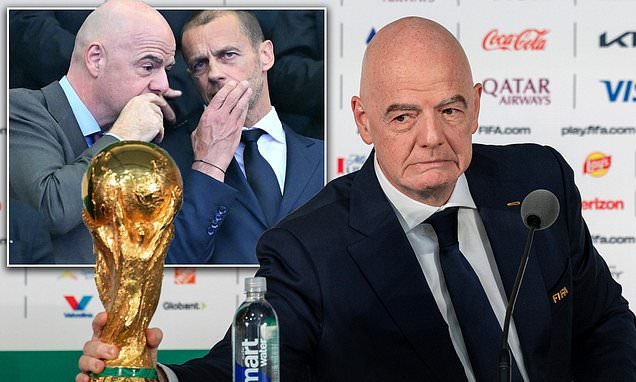
UEFA has declared a loss of confidence in Gianni Infantino's presidency of FIFA, intensifying pressure on the world football chief after he abandoned a controversial plan to sell stakes in future World Cup profits to private investors.
The declaration came as FIFA performed an overnight U-turn and dropped the proposed scheme following fierce opposition from football's governing bodies and political figures. The plan would have allowed private equity firms to buy into the commercial returns of the World Cup and other competitions. It was met with widespread criticism, with British politician Andy Burnham among those who described the proposal as «outrageous». The proposal had alarmed several national associations, which warned that private investors would gain undue influence over the sport's flagship tournaments.
In a strongly worded statement, UEFA's leadership said Infantino's style of leadership could not continue and demanded a thorough and fundamental review of FIFA's governance. European football officials pointed to «secret schemes», «shabby backroom deals» and «faceless individuals» as they made clear that they want change at the top of the organisation, despite FIFA's U-turn.
European nations welcomed the decision to abandon the investment scheme, but their relief was tempered by deeper concerns about transparency and accountability. Several European federations had made clear that they would not accept the scheme, and the overnight reversal was seen as a victory for those who campaigned against it. Football chiefs are now looking to challenge Infantino's position, and the no-confidence declaration represents a significant escalation in the standoff between UEFA and FIFA.
The abandoned plan, sometimes referred to as the FFE scheme, was intended to unlock new revenue for global football development. Opponents argued that selling a stake in the sport's most prestigious competitions to outside investors would compromise the integrity of FIFA and hand excessive influence to financial interests with no accountability to the football community.
The episode has become a focus for wider discontent with Infantino's leadership. For many European officials, the secrecy surrounding the original proposal reinforced long-standing worries about how FIFA takes decisions and whether the views of member associations are being heard. The swift abandonment of the plan was widely seen as an attempt to contain the damage, but it did not silence his critics.
Infantino has led FIFA since 2016. The collapse of the plan is a major setback for him and raises questions about his ability to command support among the sport's most powerful regional confederations. UEFA's statement made clear that the episode is not closed, and European football's governing body stopped short of offering the FIFA president a clear way forward.
UEFA's demand for a thorough and fundamental review of governance raises the possibility of a prolonged rift between European football and FIFA. With European officials pressing for greater accountability, the coming weeks are likely to bring further debate over the future direction of world football's governing body and the leadership needed to steer it.