UK motorists face rising fuel costs as oil prices surge amid Iran tensions
Fuel prices in the UK are climbing sharply as global oil markets react to the closure of a key trade route linked to rising tensions in Iran, reversing earlier relief from a US-Iran agreement.
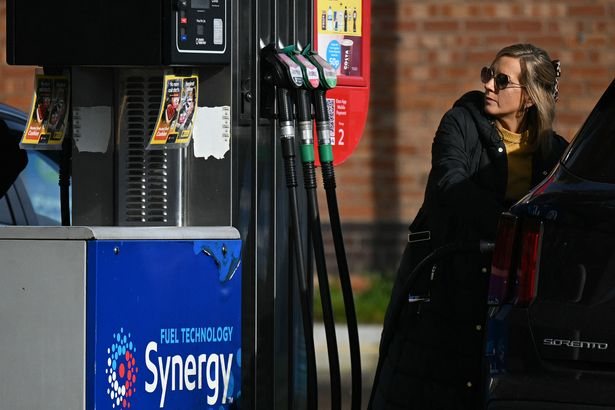
British motorists are being warned that fuel prices are rising rapidly, with experts describing the increase as «shooting up like a rocket» amid renewed geopolitical tensions in the Middle East. The surge follows the closure of a critical oil supply trade route, which has sent shockwaves through global energy markets and pushed crude oil prices higher.
According to industry analysts, the price of Brent crude has climbed significantly in recent weeks, approaching the $100 per barrel mark. This sharp increase is directly affecting petrol and diesel costs at UK forecourts, where drivers are already facing higher bills after a brief period of relative stability earlier this summer.
The latest spike in oil prices comes despite a temporary reprieve following the signing of a Memorandum of Understanding between the United States and Iran in June. That agreement had raised hopes of easing tensions and potentially increasing oil supplies, leading to a short-lived drop in prices. However, the reclosure of a vital oil transit route this month has reversed those gains and reignited concerns about supply disruptions.
The route in question is the Strait of Hormuz, a narrow waterway between Iran and Oman through which about one-fifth of the world's oil passes. Heightened military activity and diplomatic friction in the region have raised fears that tanker traffic could be disrupted, prompting traders to price in a risk premium. Iran's strategic position near this chokepoint means any escalation could have immediate consequences for global energy supplies.
The impact is already being felt in the UK, where average petrol prices have risen by several pence per litre over the past fortnight. The RAC and other motoring organisations have cautioned that further increases are likely if the situation in the Middle East continues to deteriorate. They note that the UK is particularly vulnerable to oil price shocks because it imports a significant portion of its crude oil and refined fuels.
For households already grappling with the cost-of-living crisis, higher fuel costs represent an additional burden. Transport costs feed into the price of goods and services, meaning the ripple effects could be felt across the economy. Businesses that rely on road transport, such as haulage firms and delivery services, are especially exposed to rising fuel prices.
The broader economic context adds to the concern. Inflation in the UK, while easing from its peak, remains above the Bank of England's target. Higher energy costs could complicate the central bank's efforts to bring inflation down, potentially delaying interest rate cuts that consumers and businesses are hoping for. The Treasury is also watching developments closely, as fuel duty revenues are a significant source of government income.
Industry experts point out that the current situation mirrors patterns seen in previous geopolitical crises, such as the 2022 Russian invasion of Ukraine, which sent oil and gas prices soaring. However, they caution that the precise trajectory remains uncertain and depends on diplomatic developments in the coming weeks. If tensions de-escalate and the trade route reopens, prices could stabilise or fall. Conversely, any further disruption could push them higher.
The UK government has not announced any immediate measures to cushion the impact on motorists, but analysts suggest that options such as a temporary cut in fuel duty or increased support for vulnerable households could be considered if prices continue to rise. The Treasury has previously used such tools during periods of high fuel costs, though fiscal constraints limit the scope for large-scale intervention.
For now, drivers are advised to shop around for the best prices and consider fuel-efficient driving techniques to reduce consumption. The longer-term outlook depends on global supply dynamics, including decisions by OPEC+ producers and the pace of Iran's return to international oil markets. The situation remains fluid, and further volatility is expected.
102