The rate of inflation in the United Kingdom has fallen to its lowest point in 15 months, providing some relief to households and businesses that have been grappling with elevated living costs. According to data released by the Office for National Statistics (ONS), the Consumer Prices Index (CPI) stood at 2.6% in June, down from 2.8% in May. The decline was largely driven by lower prices for food and motor fuels, which helped ease the overall cost of living pressures across the country.
The latest figures represent a continued moderation in price growth, following a peak of 11.1% in October 2022, which was the highest inflation rate in four decades. Since then, the Bank of England has raised interest rates aggressively to curb inflation, with the base rate currently at 5.25%. The easing of inflation in June suggests that the central bank's monetary tightening is having the desired effect, though policymakers remain cautious about declaring victory too soon.
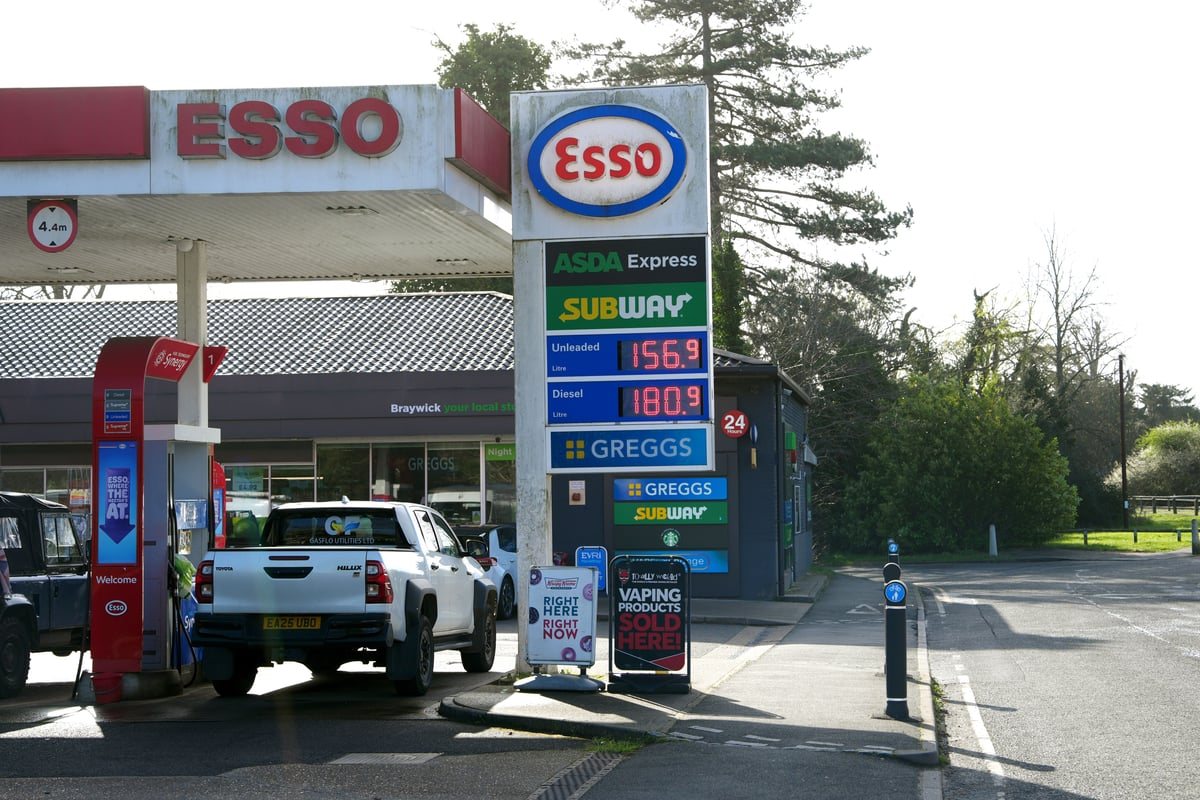
Food prices, which had been a major driver of inflation over the past year, showed a notable slowdown in June. The ONS reported that the annual rate of food inflation fell to its lowest level since early 2022, helping to reduce the overall CPI figure. Similarly, petrol and diesel prices dropped compared to the same period last year, contributing to the downward trend. These declines were partially offset by higher costs in other categories, such as housing and utilities, but the net effect was a clear reduction in the headline inflation rate.
The easing of inflation is welcome news for the newly appointed Chancellor of the Exchequer, John Healey, who described the data as «news families want to hear.» Healey, who took office following the recent general election, has made tackling the cost-of-living crisis a central priority of the government. In a statement, he emphasised that the government is committed to building an economy that works for working people, with stable prices and sustainable growth. The Chancellor also noted that while the decline in inflation is encouraging, there is still much work to be done to ensure that households feel the benefits in their daily lives.
Economists have broadly welcomed the June inflation figures, though they caution that the path ahead remains uncertain. The core inflation rate, which excludes volatile items such as food and energy, also eased but remained above the Bank of England's 2% target. Services inflation, a key indicator of domestic price pressures, stayed relatively high, suggesting that some underlying cost pressures persist. The Bank of England is expected to keep interest rates on hold at its next meeting in August, as it waits for more evidence that inflation is sustainably returning to target.
The impact of lower inflation is already being felt in financial markets, with gilt yields falling and the pound weakening slightly against the dollar. Investors are now pricing in a higher probability of interest rate cuts later this year, though the timing remains uncertain. For businesses, the easing of input costs is a positive sign, particularly for retailers and manufacturers that have been squeezed by rising expenses. However, many firms continue to face challenges from higher wages and energy bills, which may limit the pace of price reductions for consumers.
For ordinary households, the decline in inflation means that real incomes are starting to recover after a prolonged period of erosion. Wage growth has been outpacing inflation in recent months, giving workers more purchasing power. Nevertheless, the cumulative effect of two years of high prices means that many families are still struggling to make ends meet. Charities and consumer groups have called on the government to do more to support vulnerable households, including through targeted benefits and energy price caps.
Looking ahead, the outlook for inflation remains mixed. The ONS data showed that the CPI is now at its lowest level since March 2023, when it stood at 2.5%. Analysts expect inflation to hover around the 2% target for the rest of the year, barring any major shocks to energy or food markets. However, geopolitical risks, such as tensions in the Middle East and disruptions to global supply chains, could push prices higher again. The Bank of England has indicated that it will remain vigilant and adjust policy as needed to maintain price stability.
The June inflation report also highlighted regional variations across the UK. While the national average fell, some areas experienced higher inflation due to local factors, such as housing costs and transport fares. The ONS noted that inflation in London and the South East remained slightly above the national average, while Scotland and Northern Ireland saw sharper declines. These disparities underscore the uneven nature of the economic recovery and the need for targeted policy interventions.
In summary, the easing of UK inflation to a 15-month low in June is a significant milestone in the country's battle against rising prices. Driven by lower food and fuel costs, the data provides a glimmer of hope for households and businesses alike. However, with core inflation still above target and global uncertainties looming, policymakers must remain cautious. The government and the Bank of England will continue to monitor the situation closely, with the ultimate goal of achieving stable and sustainable price growth that benefits all sectors of the economy.