The surge in global oil and gas prices is creating a new inflationary threat for the United Kingdom, adding to the economic challenges facing Chancellor Rachel Reeves. Energy costs are a major driver of consumer price inflation, and the recent upward trend in wholesale markets is likely to feed through to household bills and business expenses in the coming months.
Higher energy prices directly increase the cost of heating, electricity, and transport, while also raising production costs across many industries. This could push the UK’s inflation rate higher, complicating the Bank of England’s efforts to bring it down to the 2% target. The central bank has already held interest rates at elevated levels to combat previous inflation spikes, and a fresh surge might delay any potential rate cuts, keeping borrowing costs high for businesses and homeowners.
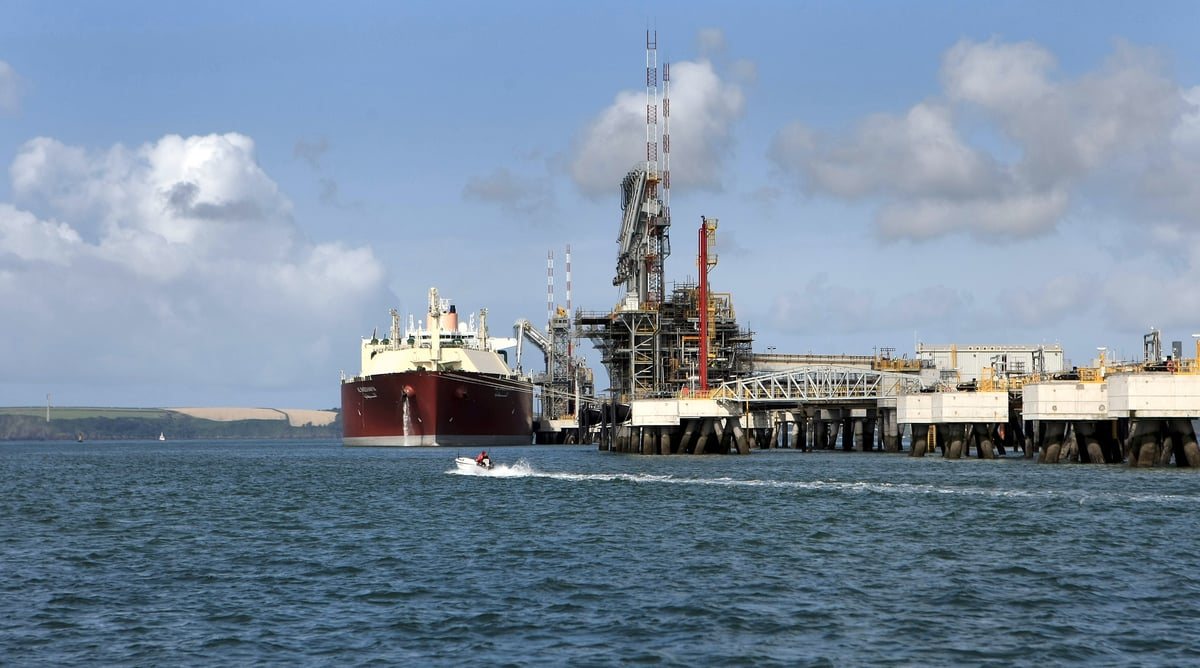
On the global stage, Qatar plays a pivotal role in the liquefied natural gas (LNG) market. The country produces roughly one-fifth of the world’s LNG and is the largest supplier to Asia. While the UK is not as directly dependent on Qatari gas as some Asian economies, the global nature of energy markets means that price movements in one region quickly affect others. Any disruption to Qatari exports or changes in its production strategy could exacerbate price volatility worldwide.
For the UK, the immediate impact is felt in the wholesale gas market, which sets the benchmark for domestic energy prices. The energy regulator Ofgem has already raised the price cap in response to higher wholesale costs, and further increases are anticipated if the current price trajectory continues. This would add to the cost-of-living pressures that have strained household budgets over the past two years.
Chancellor Reeves, who has made economic stability a cornerstone of her policy agenda, now faces the prospect of having to revise fiscal forecasts. If inflation remains stubbornly high, the government may need to allocate additional funds to support vulnerable households or accept a higher debt burden. The situation also reduces the room for tax cuts or increased public spending, limiting the chancellor’s options ahead of the next budget.
The broader economic outlook is already fragile, with the UK economy showing signs of slow growth. A fresh inflation shock could increase the risk of recession, particularly if the Bank of England feels compelled to raise interest rates again or keep them higher for longer. The combination of elevated energy costs, tight monetary policy, and weak consumer confidence presents a difficult environment for policymakers.
Qatar’s dominance in LNG supply underscores the interconnected nature of global energy markets. The country’s production decisions, influenced by long-term contracts and geopolitical considerations, have far-reaching consequences. As the world’s largest LNG exporter, Qatar’s actions can either help stabilise prices or, in the event of supply disruptions, contribute to further volatility. For the UK, maintaining diverse energy sources and accelerating the transition to renewables remain key strategies to reduce vulnerability to such external shocks.
In the near term, all eyes will be on the Treasury and the Bank of England to see how they respond to the evolving energy price landscape. The chancellor is expected to provide an update in the autumn statement, where she may outline measures to cushion the impact on households and businesses while maintaining fiscal credibility.