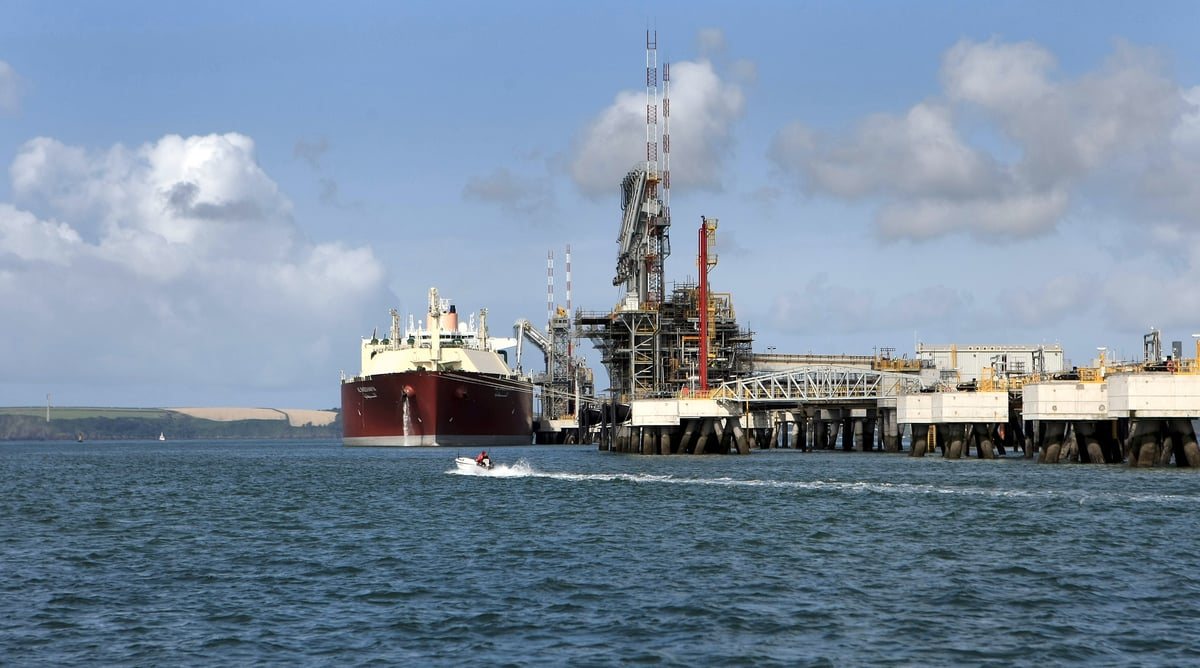
The global oil price has surged past $100 a barrel for the first time in two months, as escalating conflict in the Middle East raises serious concerns about disruptions to international crude supplies. The benchmark price rose sharply on Thursday, following a climb to $95 a barrel the previous day, amid mounting fears that Yemen's Houthi militia could strangle Saudi oil exports through the Red Sea while US-Iran tensions over oil flows through the strategic Strait of Hormuz intensify.
This latest price jump marks a significant milestone for energy markets, which have been on edge since the outbreak of hostilities in the region. Analysts warn that the situation could worsen if the Houthi militia, which controls large parts of Yemen, follows through on threats to target Saudi shipping lanes. The Red Sea is a critical chokepoint for global oil trade, with millions of barrels passing through its waters daily en route to European and Asian markets.
The Strait of Hormuz, another vital waterway, is also at the centre of heightened US-Iran tensions. Iran has previously threatened to block the strait in response to economic sanctions and military pressure, a move that would cut off a significant portion of the world's oil supply. The United States has reinforced its naval presence in the region, raising the risk of direct confrontation between the two nations.
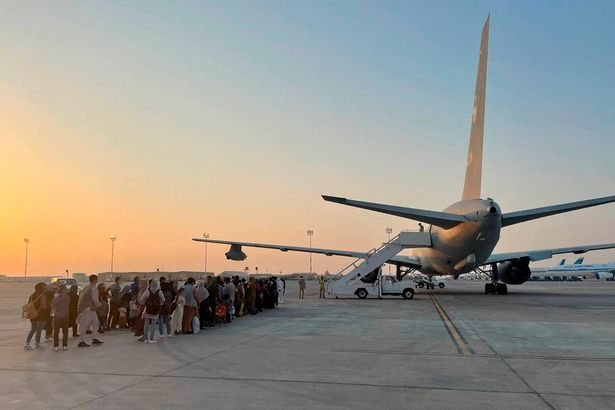
The UK Foreign Office has responded to the deteriorating security situation by issuing a travel advisory for British nationals, warning against all but essential travel to Bahrain and Kuwait. The advisory, published on Thursday, cites the increased risk of military escalation and potential for attacks on civilian infrastructure. The Foreign Office also urged British citizens in the region to remain vigilant and follow local authorities' guidance.
Oil markets have been volatile throughout 2026, with prices fluctuating in response to geopolitical developments, production decisions by OPEC+, and global demand trends. The latest rally above $100 a barrel represents a return to levels last seen in May, when a brief ceasefire in the region had temporarily eased supply fears. However, the renewed violence has erased those gains and pushed prices higher.
Economists are closely watching the oil price surge, as higher energy costs could fuel inflation and slow economic growth in importing nations. The United Kingdom, which imports a significant portion of its oil, could face higher fuel prices at the pump and increased costs for businesses. The Bank of England may need to consider the impact on its monetary policy decisions, as sustained high oil prices could complicate efforts to bring inflation back to its 2% target.
The broader economic implications extend beyond the UK. Many emerging economies, particularly in Asia and Africa, are heavily dependent on oil imports and are vulnerable to price spikes. Higher energy costs could strain their budgets, reduce consumer spending, and increase the risk of social unrest. The International Energy Agency has warned that the global oil market remains fragile and that any further disruption could have severe consequences.
The conflict in the Middle East shows no signs of abating, with diplomatic efforts to de-escalate tensions making little progress. The Houthi militia, backed by Iran, has intensified its attacks on Saudi Arabia in recent weeks, while US airstrikes against Iranian-backed groups in Iraq and Syria have drawn threats of retaliation. The situation remains fluid, and oil traders are bracing for further volatility.
OPEC+ producers have signalled that they are monitoring the market and could adjust output levels to stabilise prices. However, the cartel's ability to respond is limited by internal disagreements and the fact that several members are already producing near capacity. Saudi Arabia, the world's largest oil exporter, has indicated it is prepared to increase production if necessary, but the threat to its own export routes complicates that strategy.
For consumers, the immediate impact of higher oil prices is likely to be felt at the petrol station. UK motorists have already seen fuel costs rise in recent weeks, and further increases are expected if the price of crude remains above $100 a barrel. Businesses that rely on transportation and logistics may also face higher operating costs, which could be passed on to customers through higher prices for goods and services.
The situation underscores the vulnerability of the global energy system to geopolitical shocks and highlights the need for diversification of energy sources. The UK government has reiterated its commitment to expanding renewable energy and reducing dependence on fossil fuels, but the transition remains slow. In the meantime, the country remains exposed to the whims of international oil markets and the conflicts that shape them.
As the crisis unfolds, all eyes will be on the Strait of Hormuz and the Red Sea. Any significant disruption to oil flows through these waterways could send prices even higher, with potentially severe consequences for the global economy. For now, the $100-a-barrel mark serves as a stark reminder of the fragility of energy security in an increasingly volatile world.