
Andy Burnham warned spending pledges will force tax rises as pub rate relief announced
Economists have warned that the new Prime Minister's spending commitments, including business rate relief for pubs announced by Andy Burnham, will likely require tax increases to avoid fiscal shortfalls.
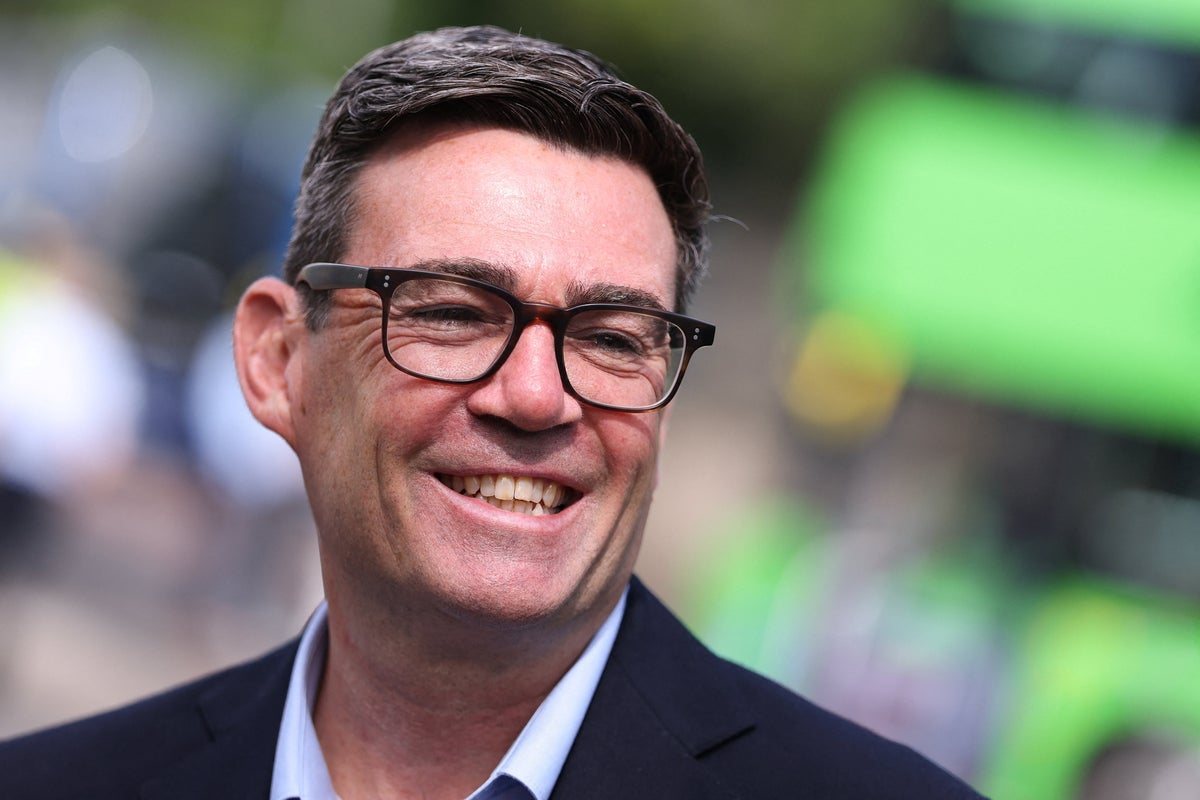
Economists have issued stark warnings that the spending commitments announced by the new Prime Minister, including business rate relief for pubs championed by Greater Manchester Mayor Andy Burnham, will almost certainly force tax rises in the near future. The warnings come as the government seeks to balance its ambitious cost-of-living agenda with the reality of constrained public finances.
The central announcement that has drawn scrutiny is a reduction in business rates for pubs, a measure long advocated by Mr Burnham and welcomed by the hospitality industry. However, fiscal analysts argue that such targeted relief, while popular, adds to the cumulative pressure on the Treasury without a corresponding source of revenue, potentially necessitating higher taxes elsewhere.
Kemi Badenoch, the Conservative Party leader, has directly challenged Mr Burnham to rule out tax increases to fund what she describes as aspending spree
. Drawing a pointed comparison, she likened the new Prime Minister's approach to that of Liz Truss, whose mini-budget in 2022 triggered significant market turmoil. Ms Badenoch's intervention underscores the deep political divisions over fiscal strategy, with the opposition accusing the government of repeating past mistakes by promising expenditure without credible funding plans.
The debate has been further inflamed by comments from renowned chef Tom Kerridge, who stated that the rate cut for pubswon't make a difference
in the long term. Mr Kerridge argued that the relief, while a welcome gesture, is insufficient to address the structural challenges facing the hospitality sector, including soaring energy costs, supply chain inflation, and labour shortages. His scepticism highlights a broader concern that piecemeal measures may not provide the sustained support businesses need.
Economists from leading think tanks have weighed in, noting that the government's fiscal headroom is extremely limited. The Office for Budget Responsibility's latest forecasts already show a tight path to meeting fiscal rules, and any new spending commitments without offsetting savings or tax increases risk breaching those targets. One analyst remarked that the choice facing the chancellor is stark: either raise taxes, cut spending elsewhere, or accept higher borrowing, which could spook financial markets.
The political ramifications are significant. Mr Burnham, a prominent figure in the Labour Party and a potential future leadership contender, has positioned himself as a champion of northern communities and small businesses. His advocacy for pub relief plays well with his base, but it also exposes him to accusations of fiscal irresponsibility from opponents. The challenge for the government is to demonstrate that its spending plans are both affordable and targeted, avoiding the perception of a return to the unfunded promises that characterised the Truss era.
For the hospitality industry, the rate relief is a lifeline, but many operators remain cautious. Pubs have been hit hard by a combination of rising costs and changing consumer habits, and while any reduction in overheads is welcome, the consensus among industry bodies is that more comprehensive reform of the business rates system is needed. They argue that the current system penalises investment and disproportionately affects bricks-and-mortar businesses compared to online retailers.
As the new administration settles in, the tension between its desire to act decisively on the cost of living and the hard realities of fiscal arithmetic will be a defining theme. The coming months will reveal whether the government can navigate this tightrope without resorting to the tax rises that economists now predict, or whether the warnings from Ms Badenoch and others will prove prescient. For now, the debate over who pays for the new spending spree remains unresolved, with significant implications for households, businesses, and the broader economy.
80