
Ineos halts production at Hull plants over UK gas prices
Ineos has paused production at its three Hull plants, with owner Sir Jim Ratcliffe blaming high UK gas prices for undermining the country's manufacturing base.
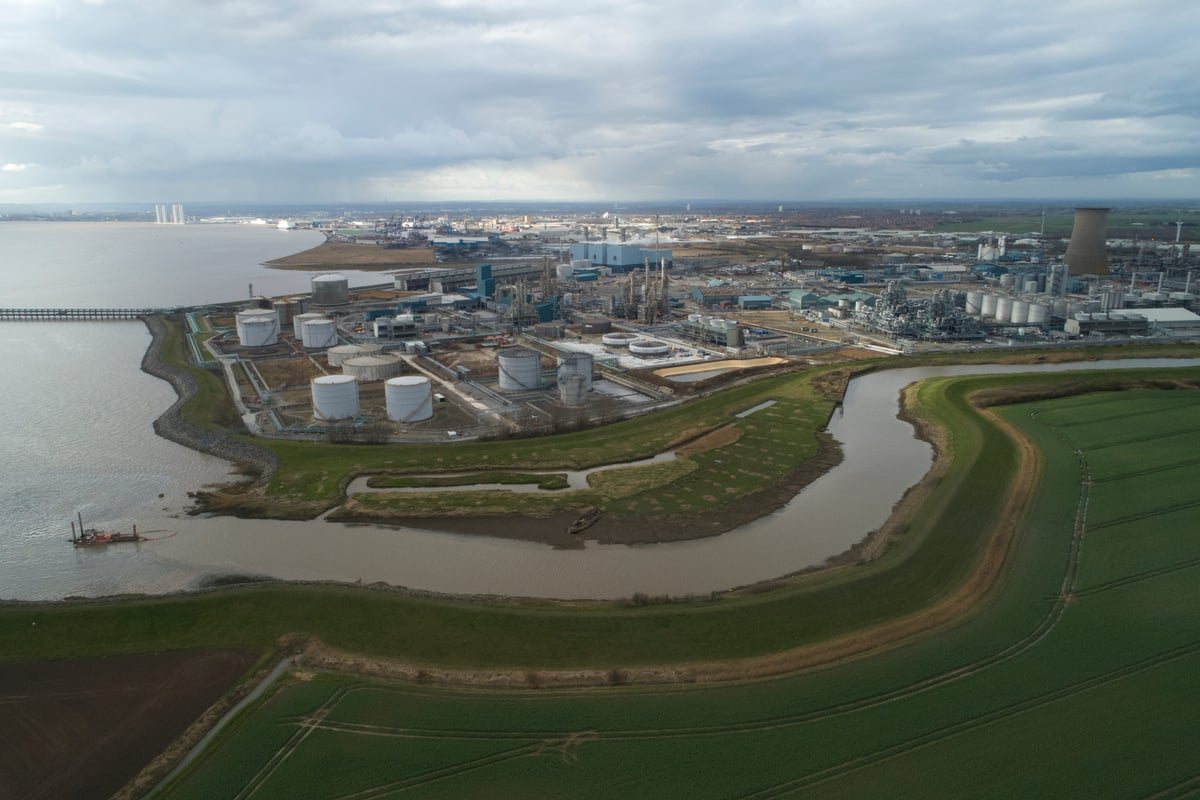
Ineos has paused production at its three manufacturing sites in Hull, with the company's billionaire owner Sir Jim Ratcliffe attributing the decision to high UK gas prices that he says are «destroying» the country's manufacturing base.
The chemicals giant confirmed the temporary halt at its Hull facilities, which form part of its wider UK operations. The move affects production at all three plants in the Humber region, a major hub for the company's petrochemical activities.
Ratcliffe, one of Britain's most prominent industrialists, has been a vocal critic of the UK's energy costs. His comments point to a widening concern among energy-intensive manufacturers that domestic gas prices are making British production uncompetitive against international rivals.
The Hull plants are significant employers in the region and form part of Ineos's broader European network. The company has previously warned that sustained high energy costs could force it to shift investment away from the UK.
UK gas prices have remained elevated compared with historical norms, driven by global supply disruptions and geopolitical tensions. While wholesale prices have fallen from their 2022 peaks, they remain well above levels seen in the United States and parts of Asia, where many chemical producers benefit from cheaper feedstock.
For energy-intensive sectors such as chemicals, gas is not only a fuel but also a key raw material. This dual exposure means that price spikes hit both operating costs and input availability, squeezing margins and making production pauses a last-resort response to market conditions.
The pause at Hull is likely to intensify debate over the UK's industrial energy policy. Manufacturers have repeatedly called for measures to reduce the burden of high electricity and gas prices, including levies and network charges that they say put them at a disadvantage to competitors in the EU and beyond.
Ineos has not indicated how long the suspension will last. The company is expected to monitor market conditions before deciding when to restart operations. A prolonged halt could have knock-on effects for the local supply chain and workforce in the Humber region.
The decision also comes amid wider uncertainty in European chemicals, where producers have been grappling with weak demand and fierce competition from lower-cost regions. Several operators have announced closures or curtailments in recent months, citing similar pressures.
Ratcliffe's intervention adds a high-profile voice to the argument that the UK's energy cost structure is driving away industrial investment. His company, which owns the Grenadier vehicle brand and holds extensive petrochemical interests, has invested heavily in recent years but has also warned that the UK's cost base is a deterrent.
For now, the Hull pause stands as a concrete example of how energy prices can translate into real-world production decisions. It remains to be seen whether the government will respond with further support for energy-intensive industries or whether the plants will resume output under current market conditions.
6